





Why Will My Dog Eat Treats But Not Food?
We all know the feeling of excitement when our pups see us pull out a treat. All of that jumping up and down, wagging their tails furiously and licking their lips in anticipation! But why is it that many seem to go crazy for treats but not their regular food?
Many dogs are food motivated, so it's hard to figure out why they crave their treats more than their regular food! In this blog, we’re going to discuss the science and psychology behind canine hunger and cravings - from the physical responses dogs experience to the mental associations they create with certain types of foods...
Let's take a look at some possible explanations as to why dogs want to eat treats but not food.
Why is my dog eating only treats but not food?
There are many reasons as to why pets won’t eat food. Sometimes they might have low appetite due to low physical exercise. They could be bored, tired, or simply grumpy!
If your beloved furry friend does not eat properly for more than two days, the loss of appetite can point to the possibility of a health problem. Always see your veterinarian when you notice a change in their behavior!
Are They Depressed?
It can be heartbreaking to see your dog going off their food. Not only is it a worrying sign, but it could also mean that they are struggling with depression. Poor nutrition and prolonged bouts of sadness in dogs can lead to long-term health issues, so it’s important that you take action quickly if your dog stops eating their food. They may still be eating their treats, but having them eating their regular food is much more important!
Do They have Dental Issues?
Your dog dismissing their regular food and not their treats can be a sign that they may be suffering from dental issues.
As pet parents, it's important that we are aware of such problems since they can cause serious health complications. Your first action should always be to take them to the veterinarian for a checkup.
However, in the meantime, there are measures you can take to ensure that your pup still gets the nutrients and vitamins they need. You can always try grinding their food up into smaller pieces so that it's easier for them to chew and swallow. If your dog is still unwilling to eat this way, pureeing or blending wet food often works as well!
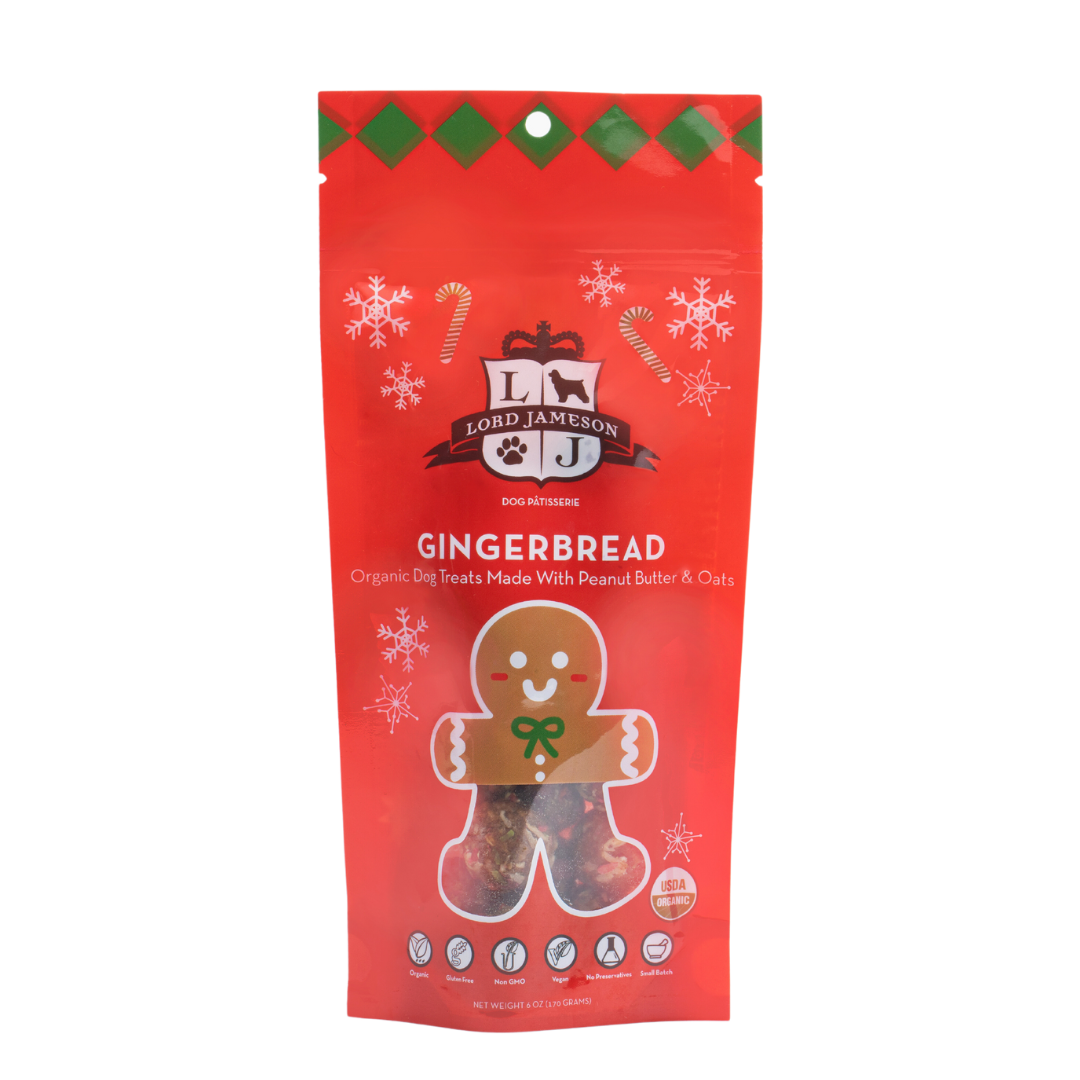
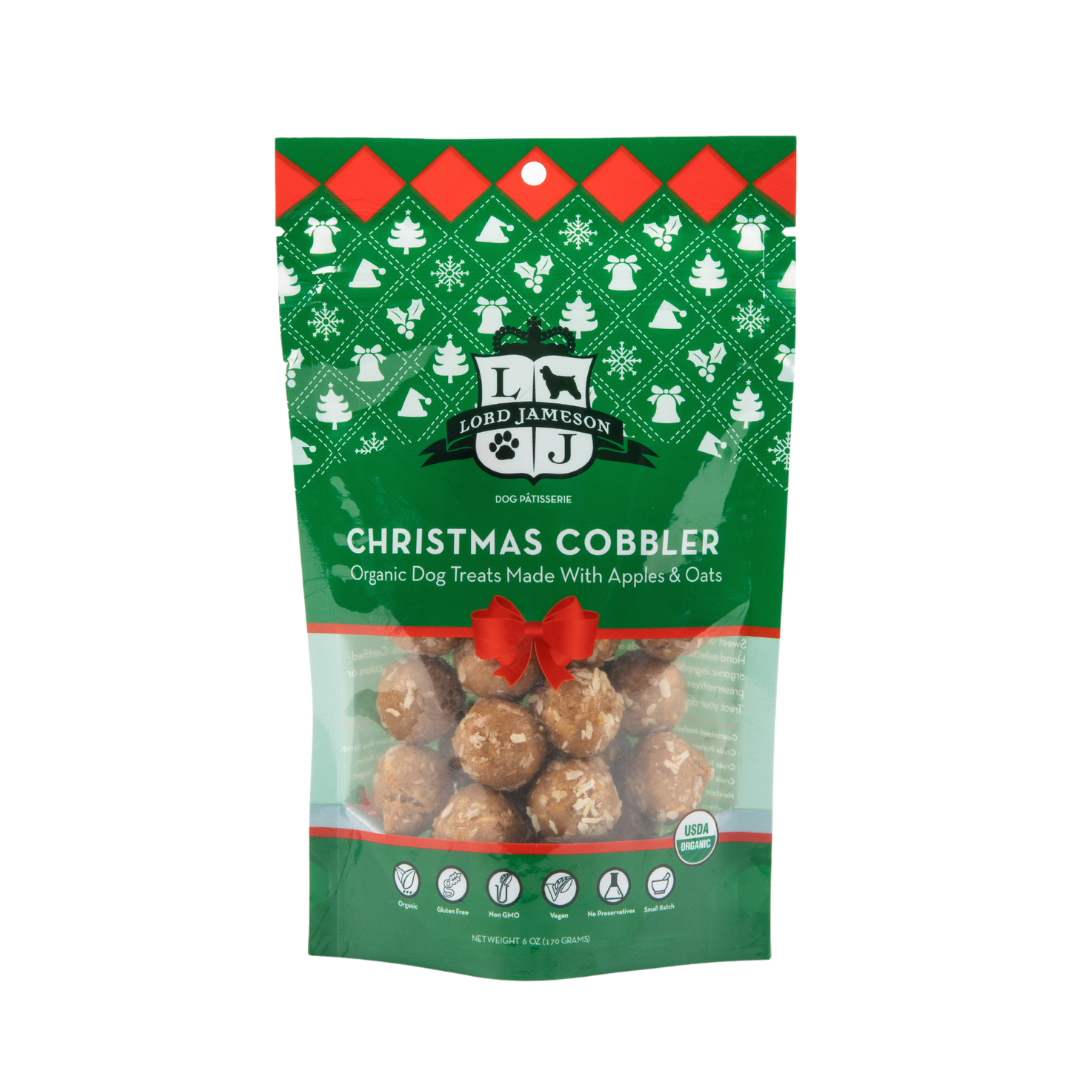
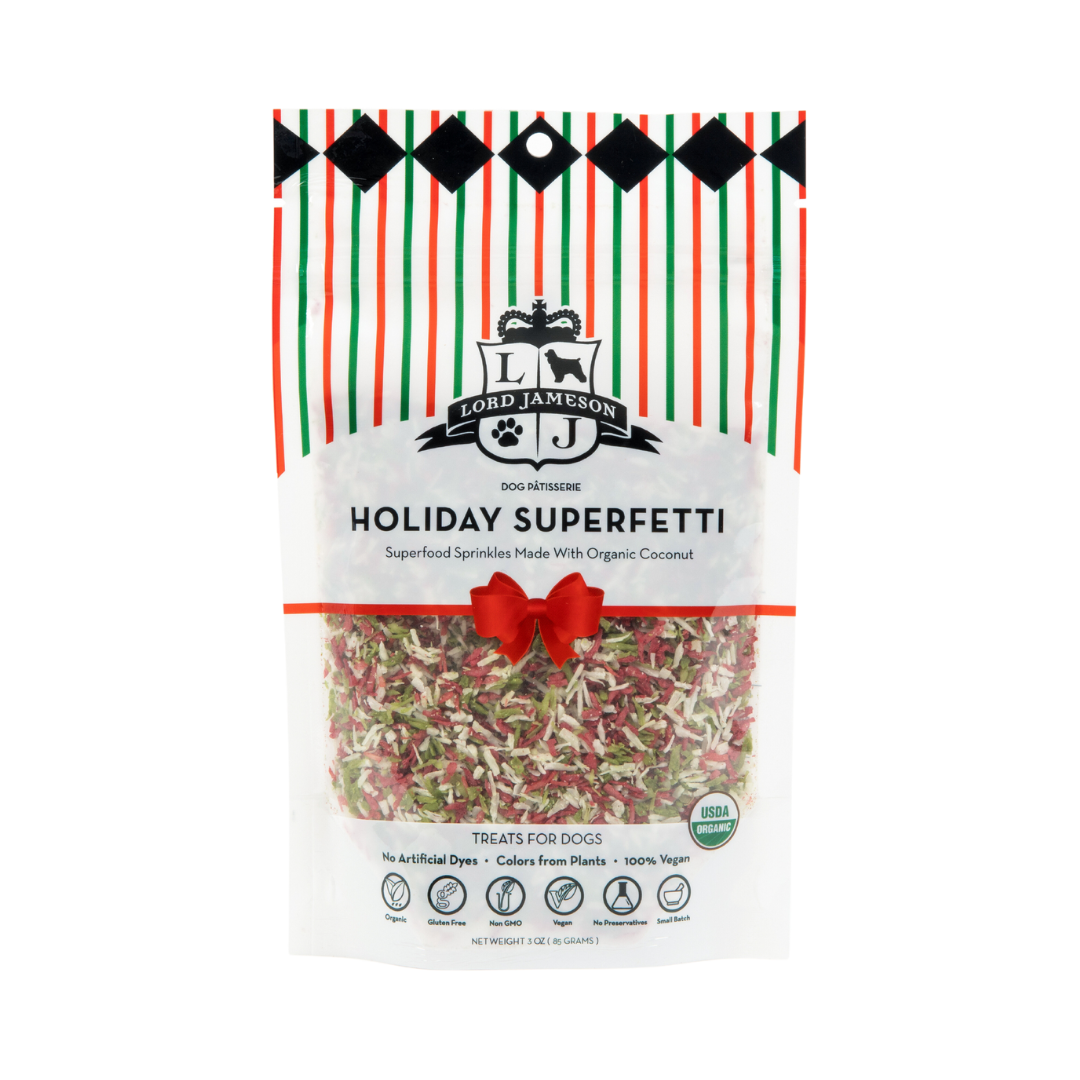
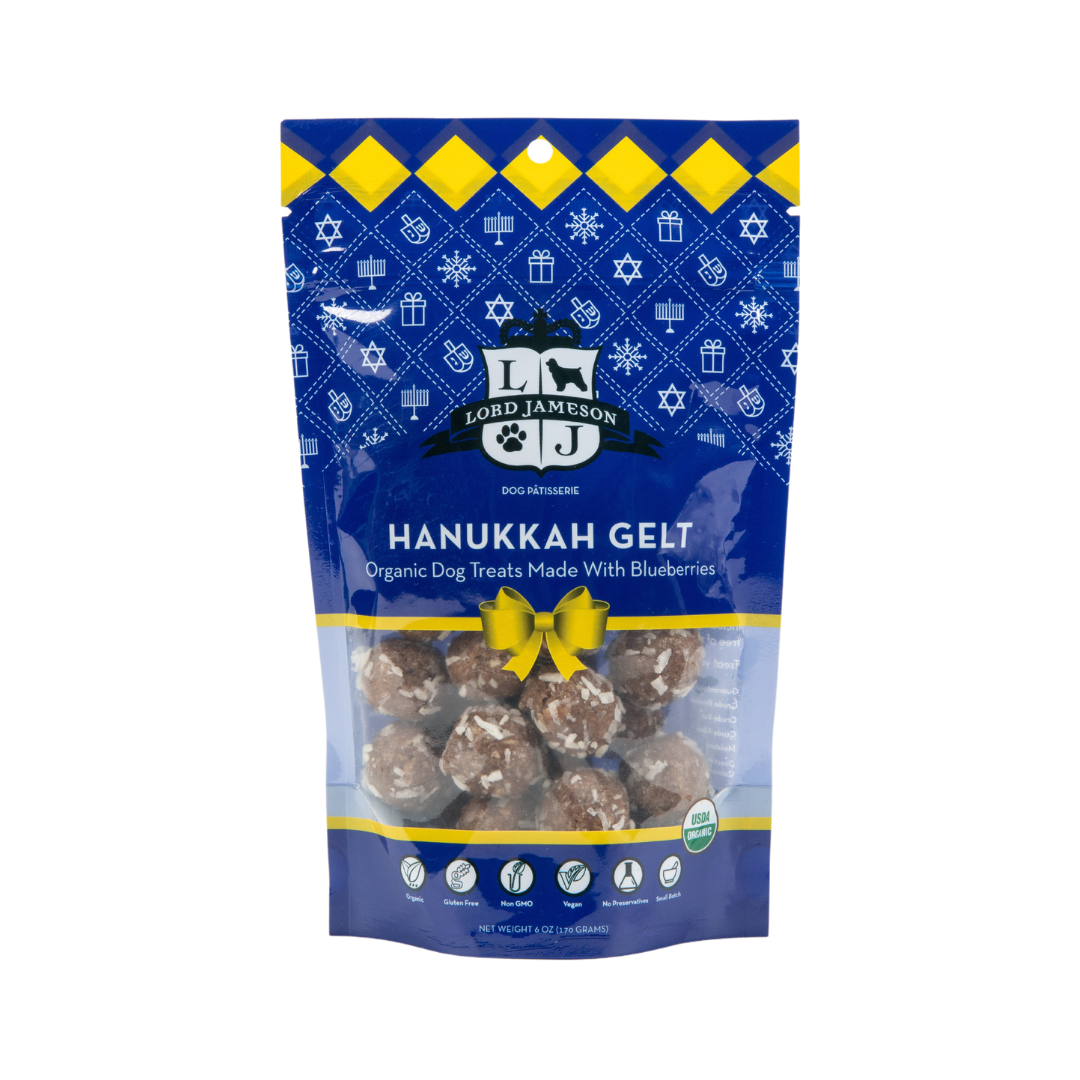
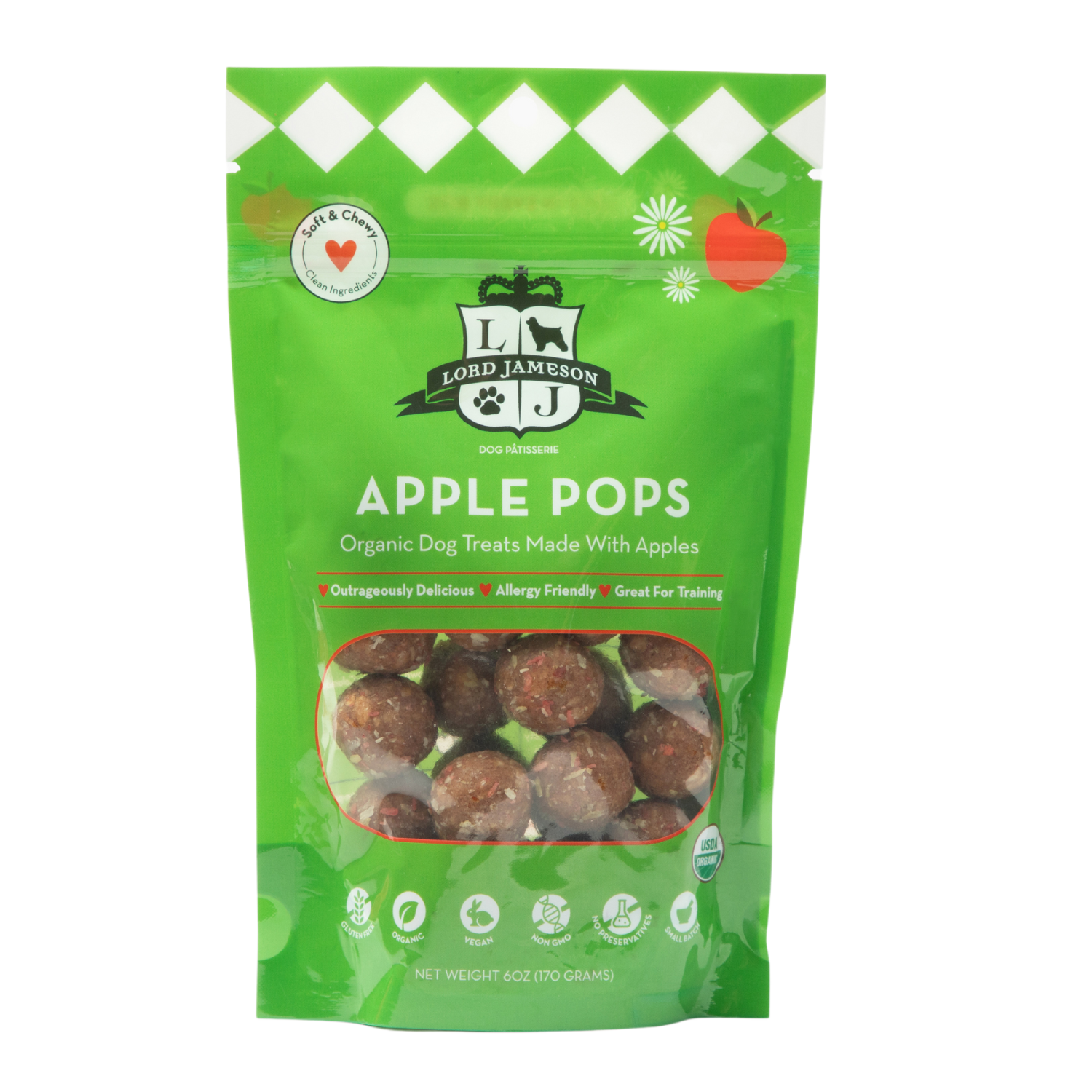
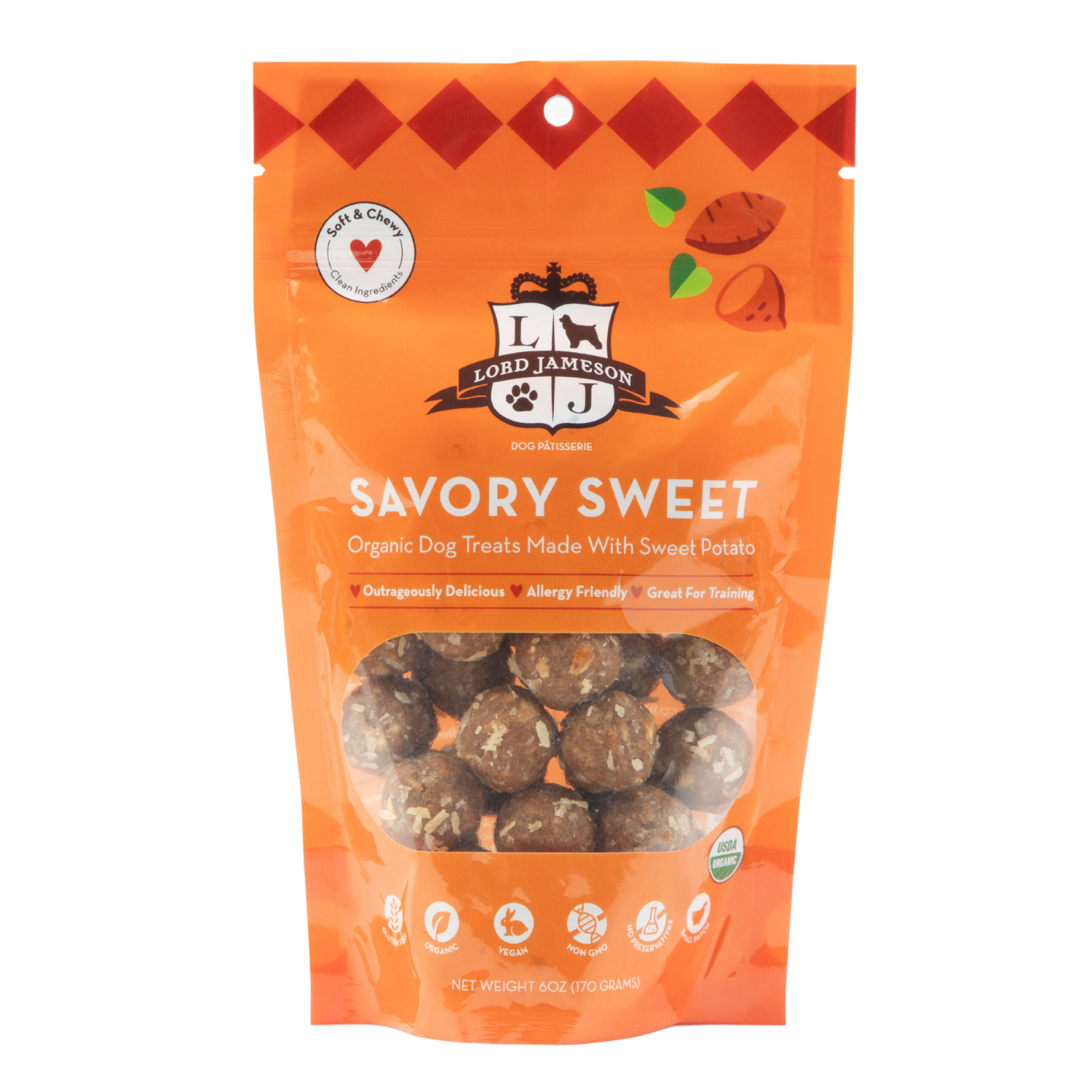
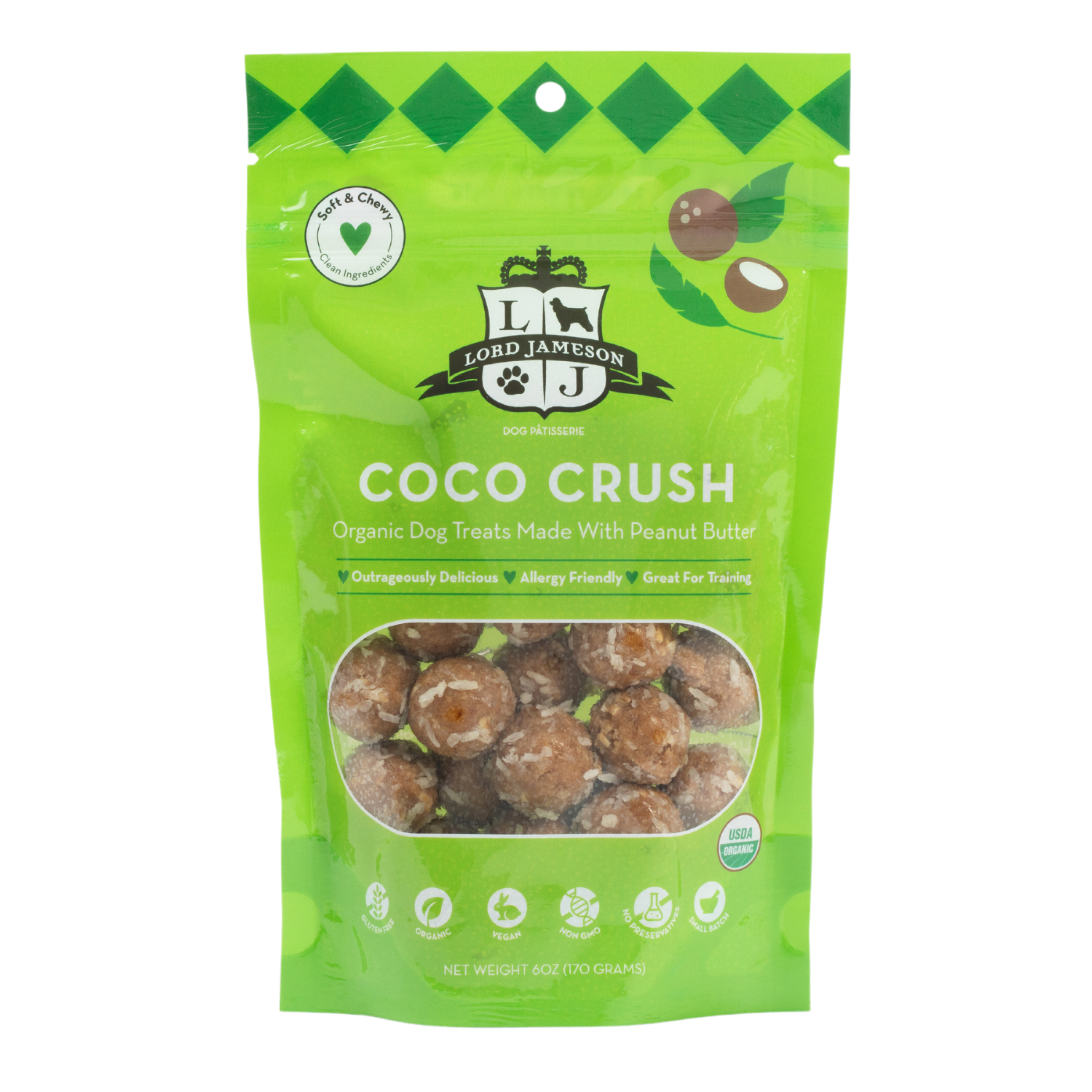
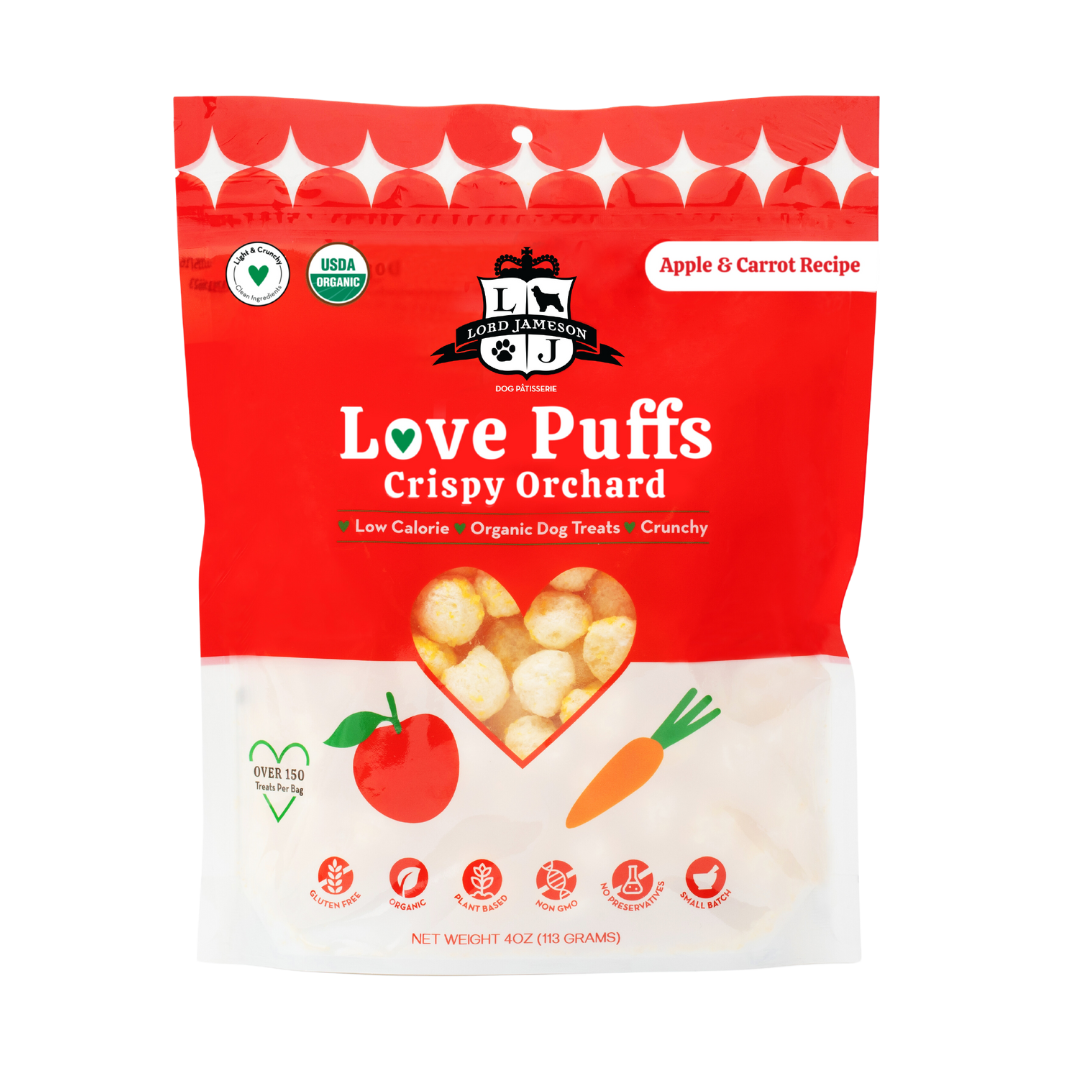
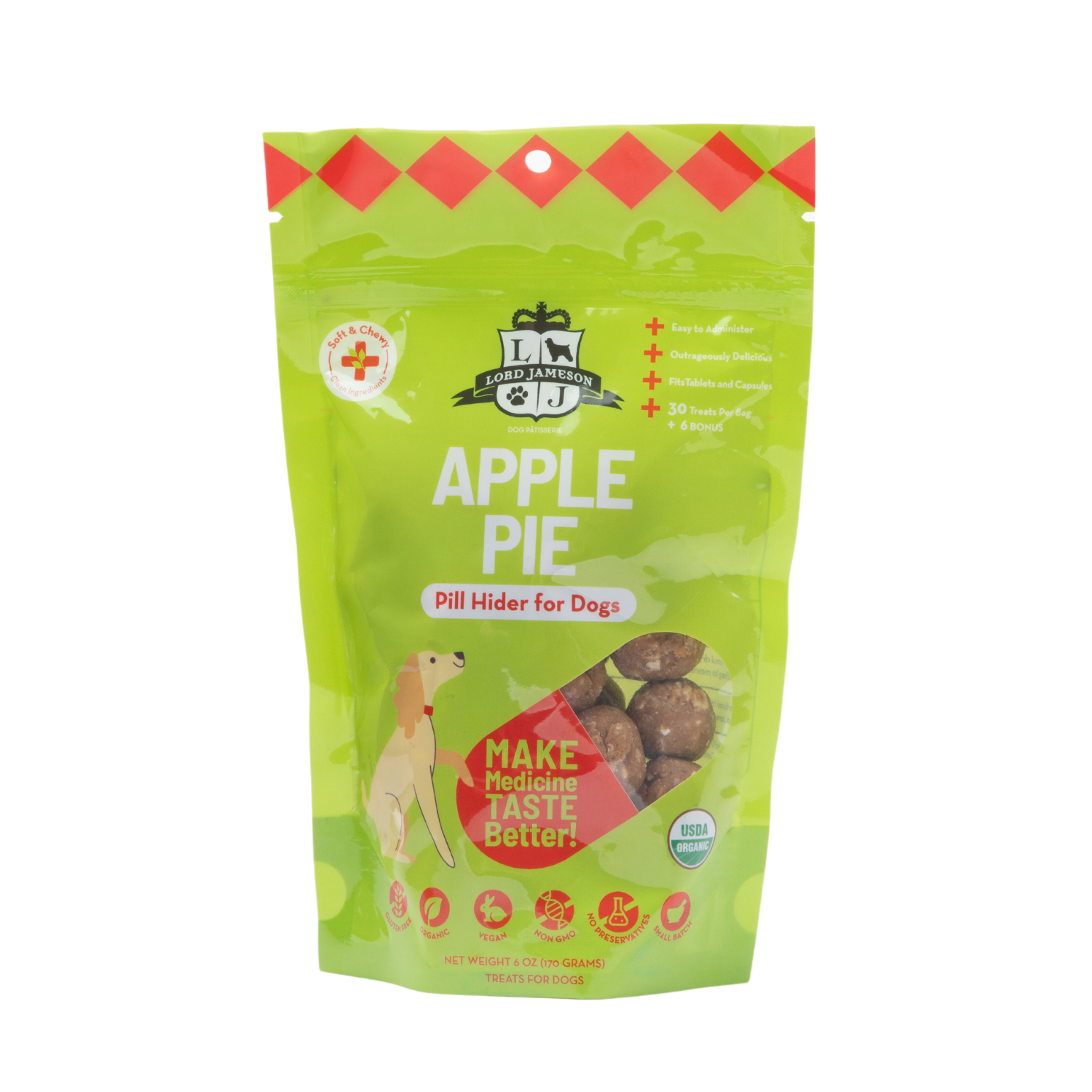
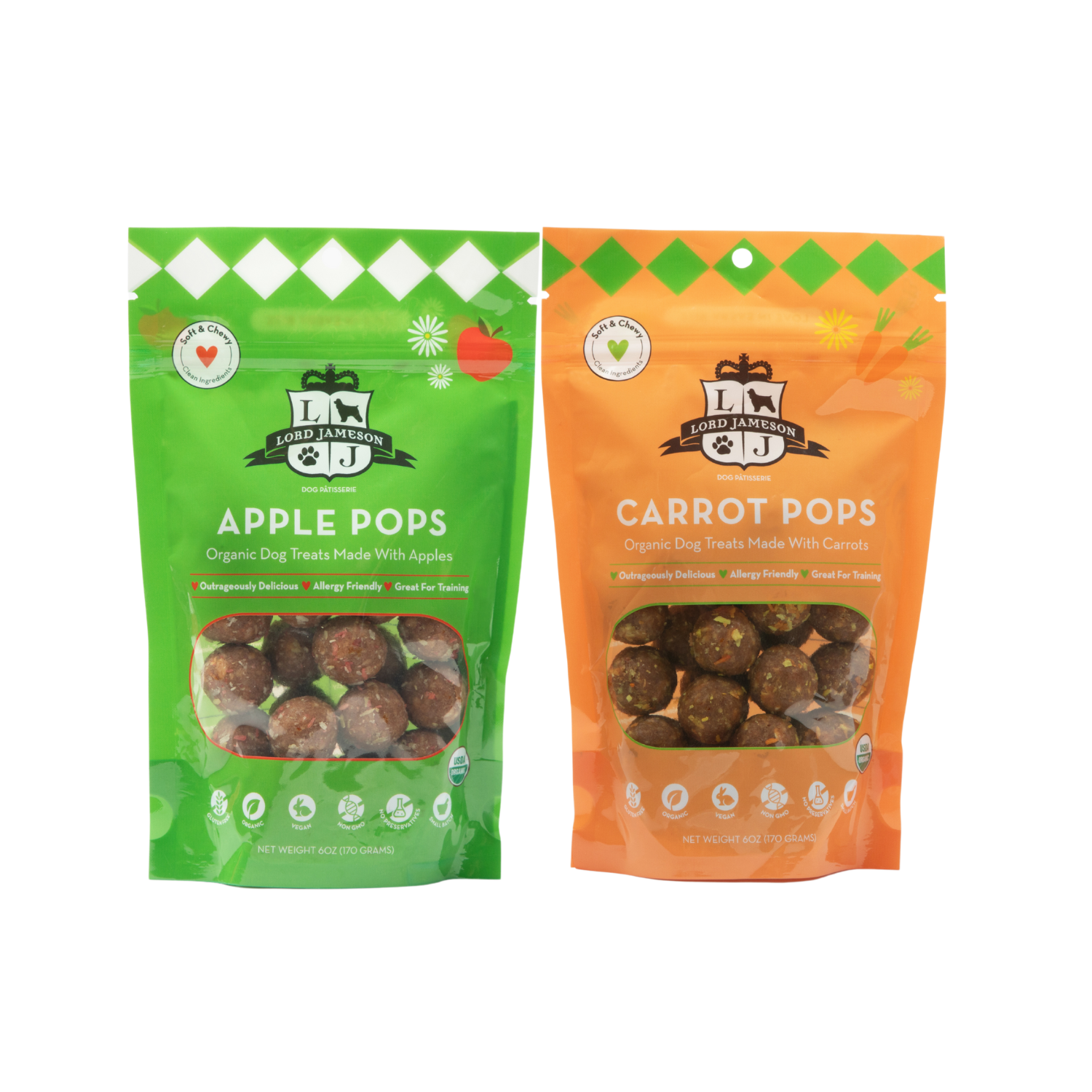
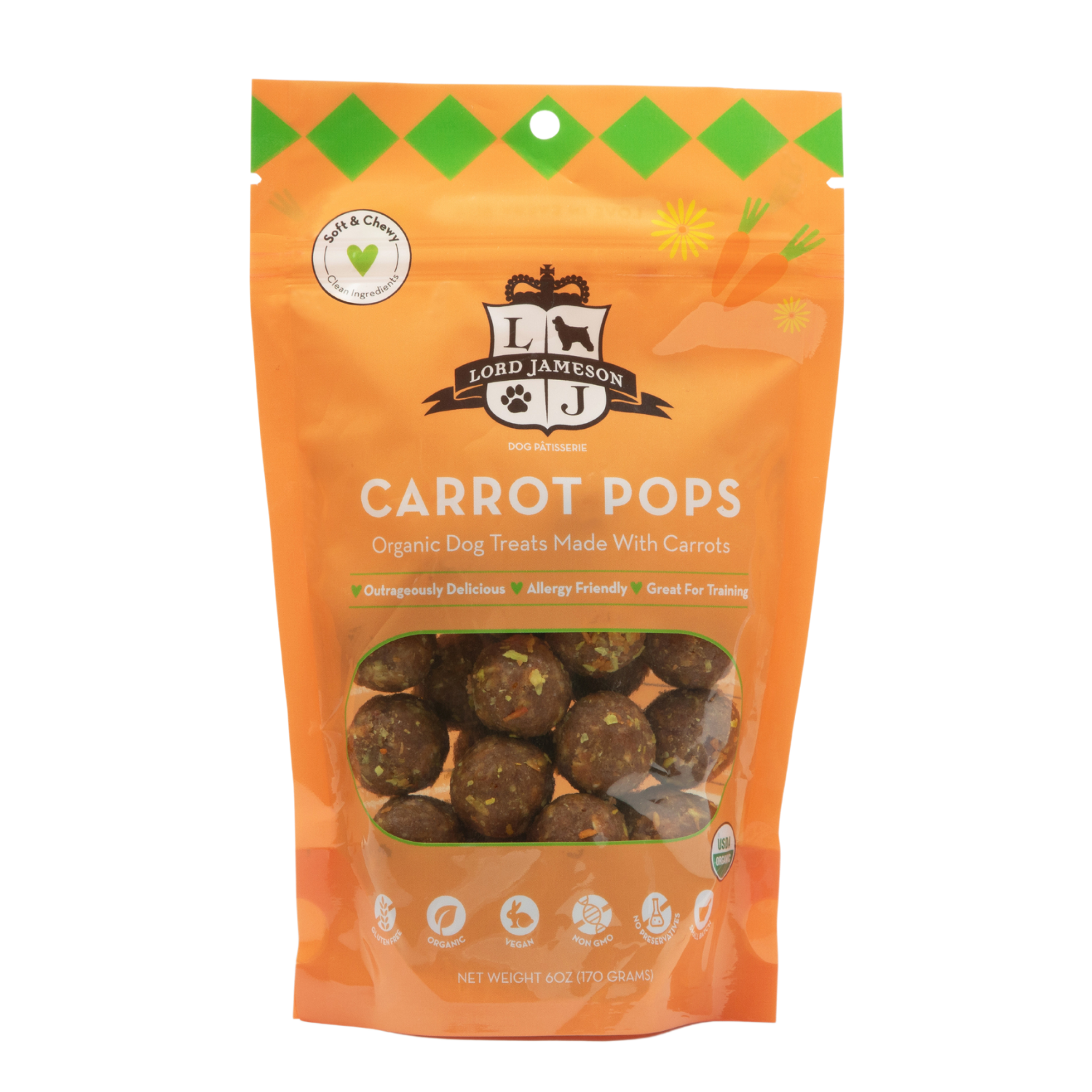
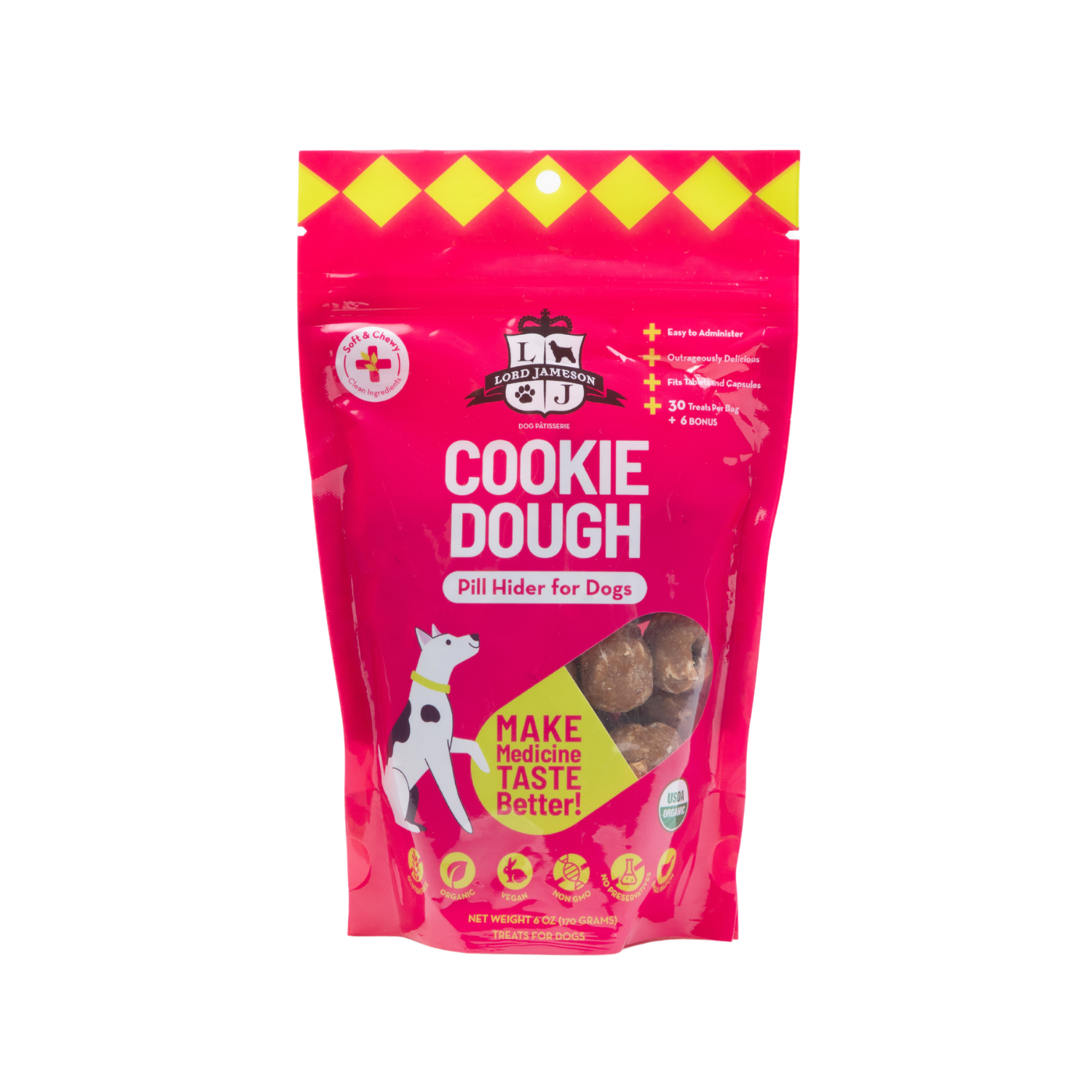
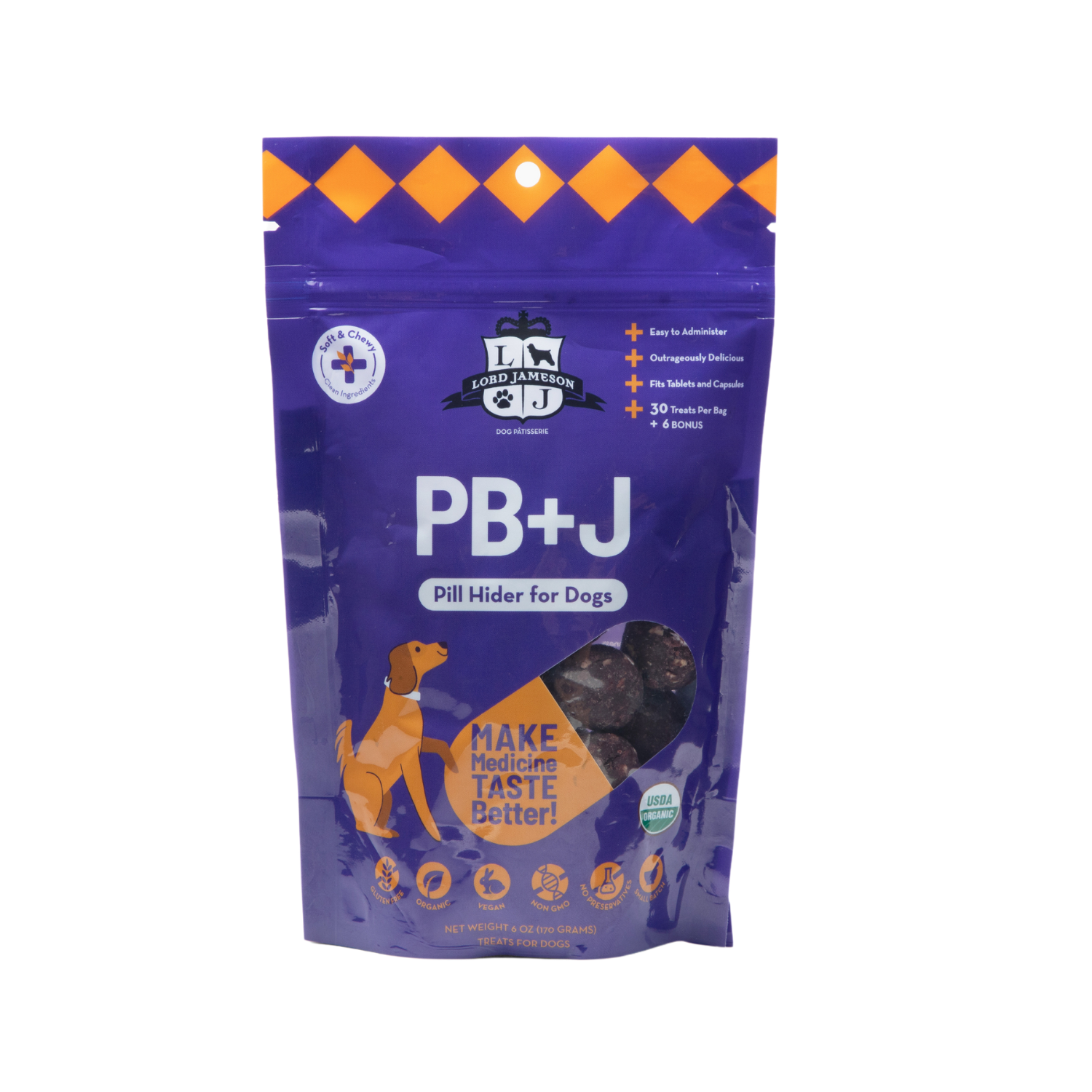
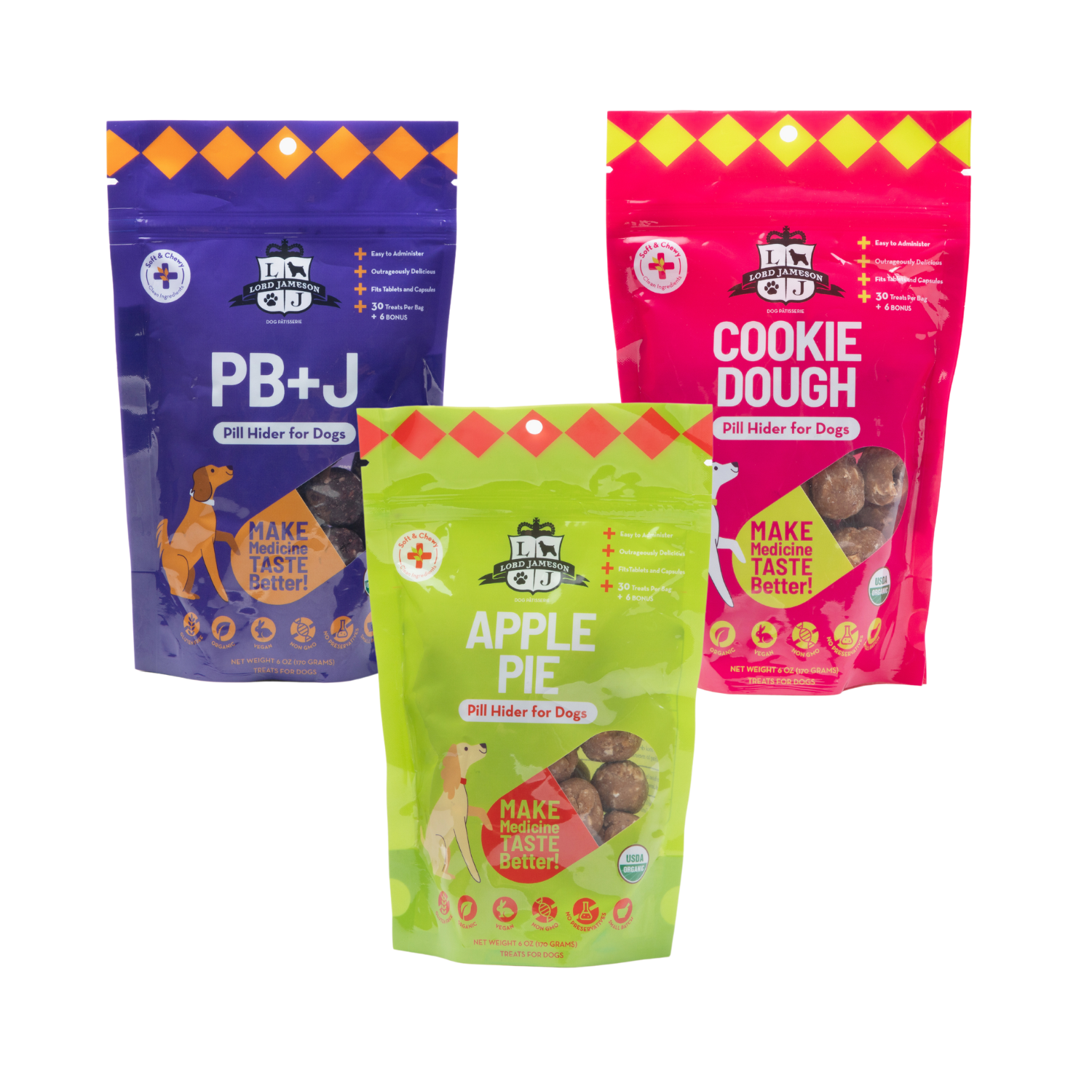
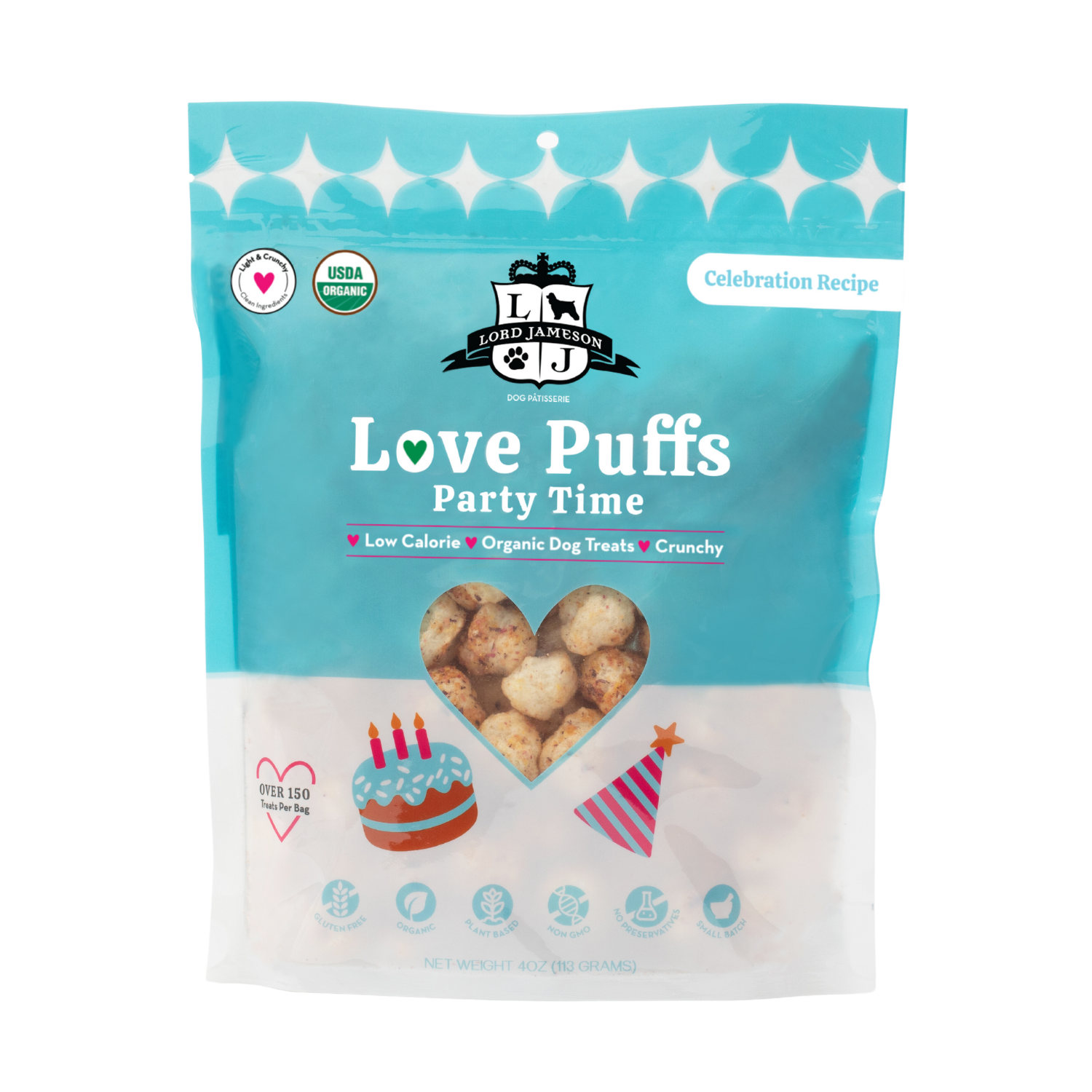
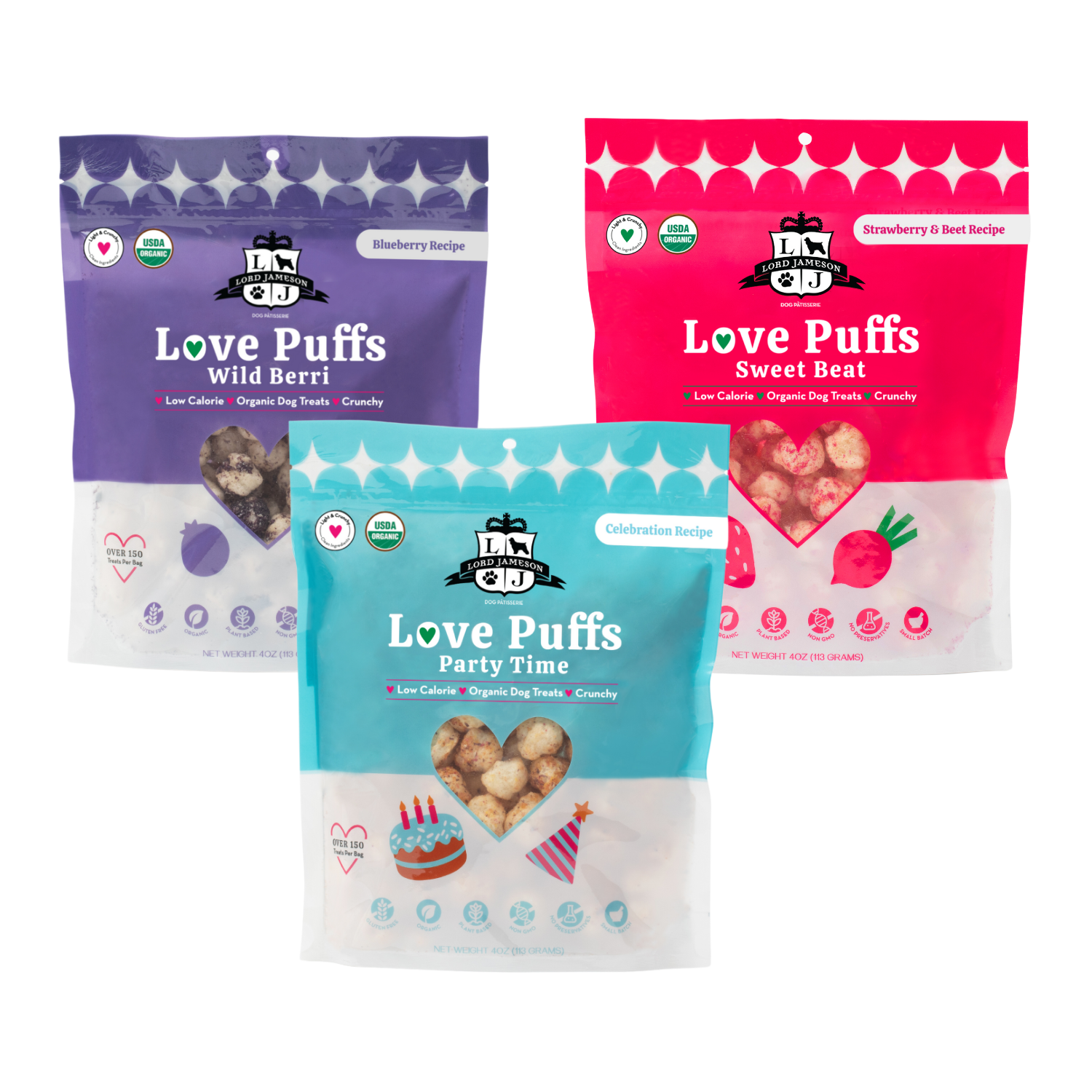
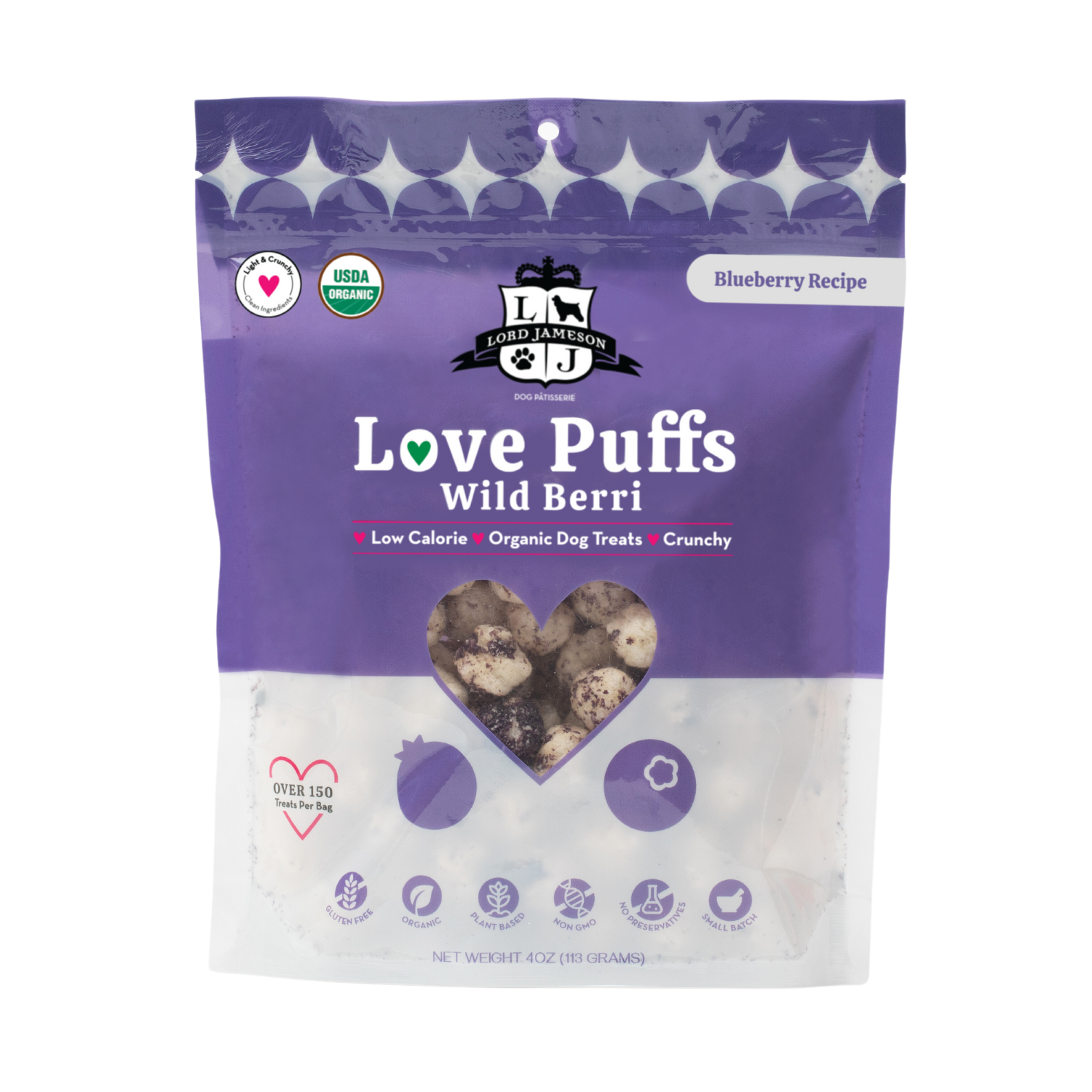
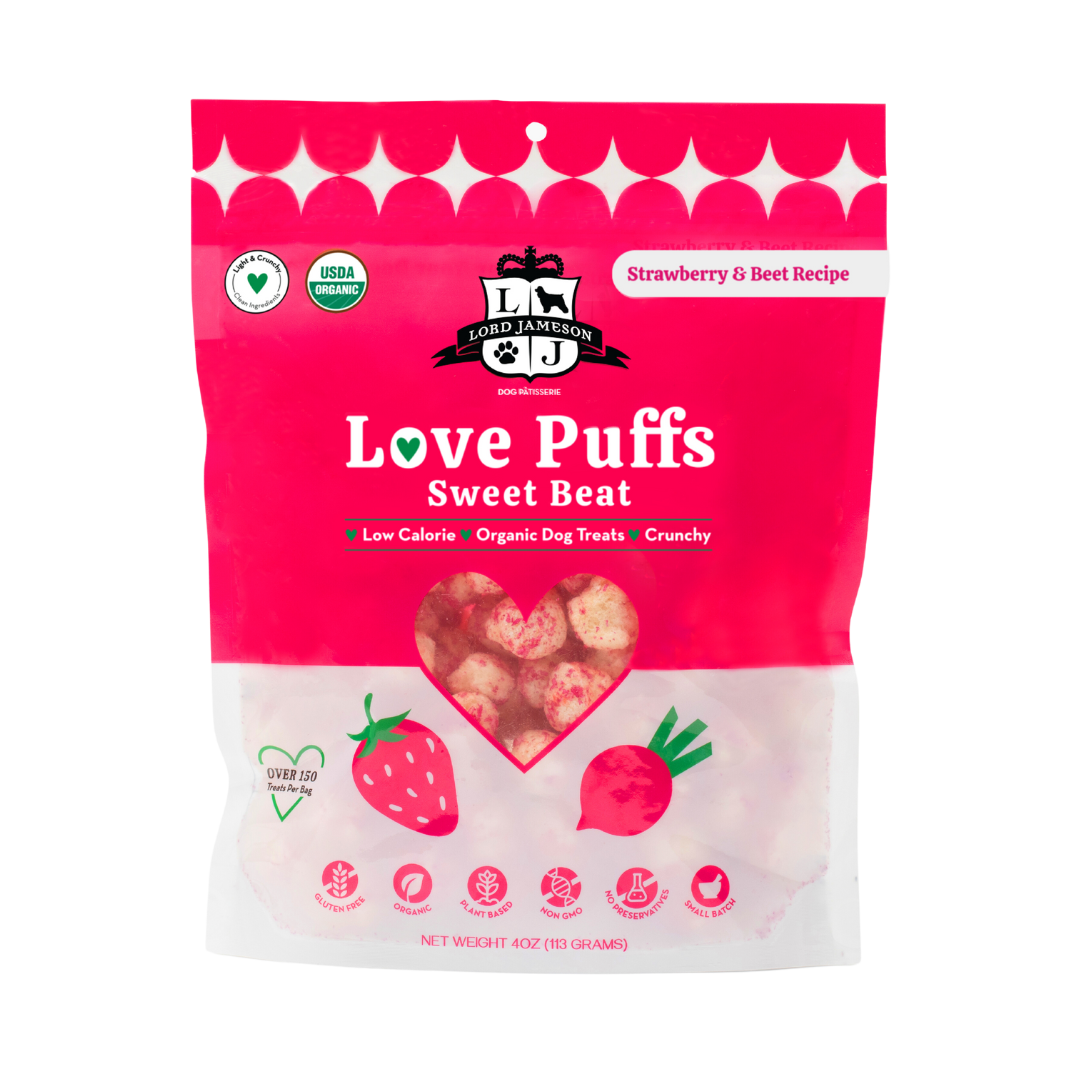
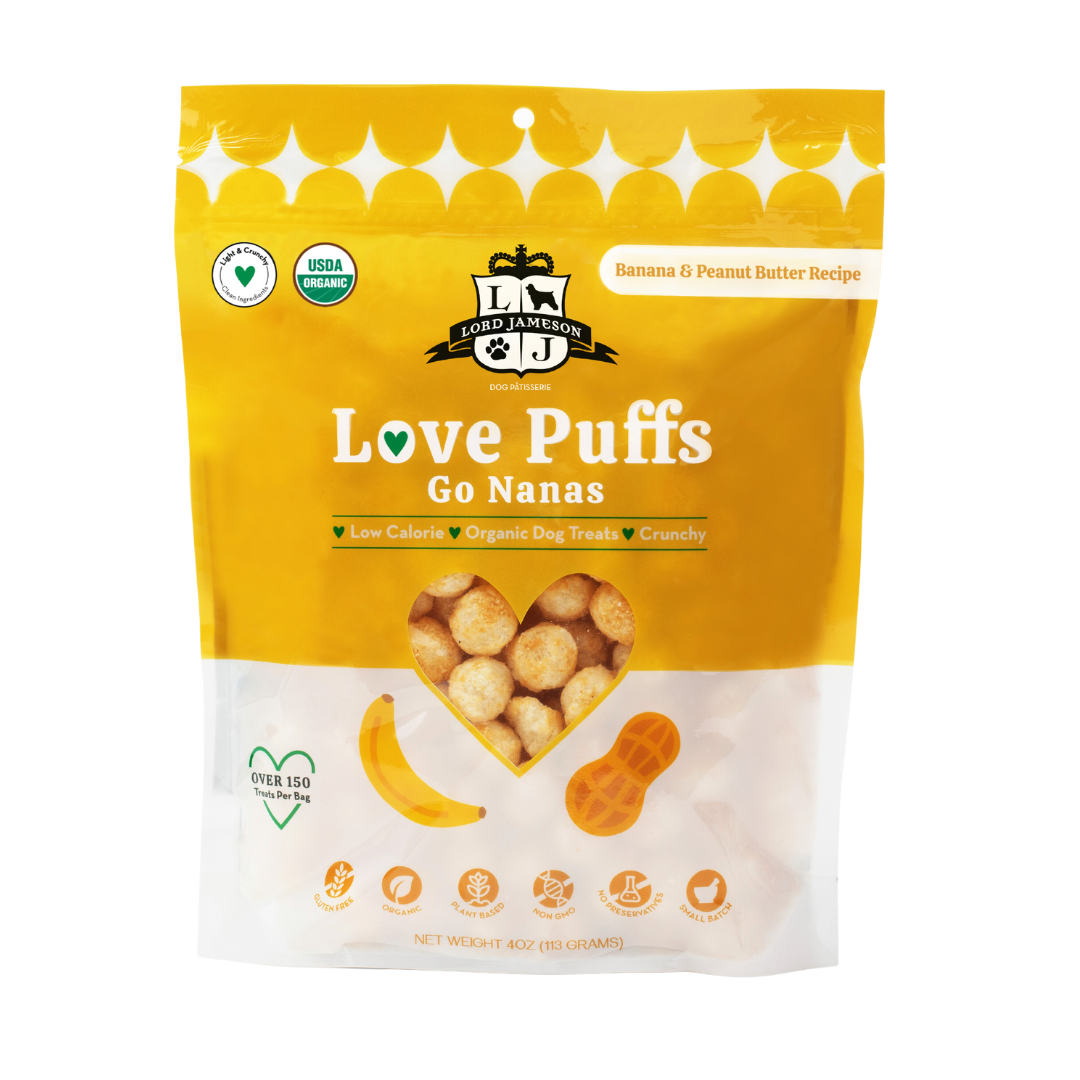
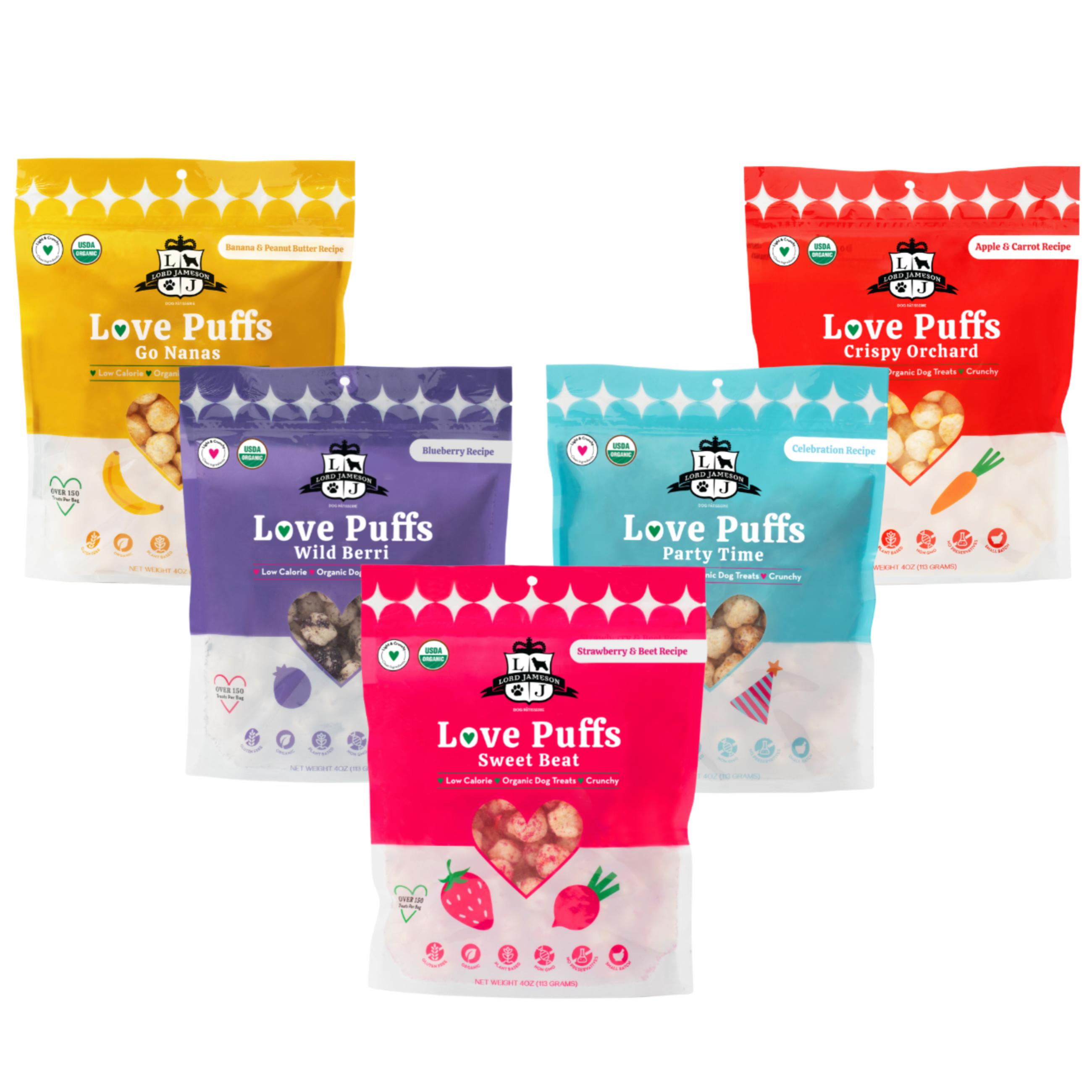
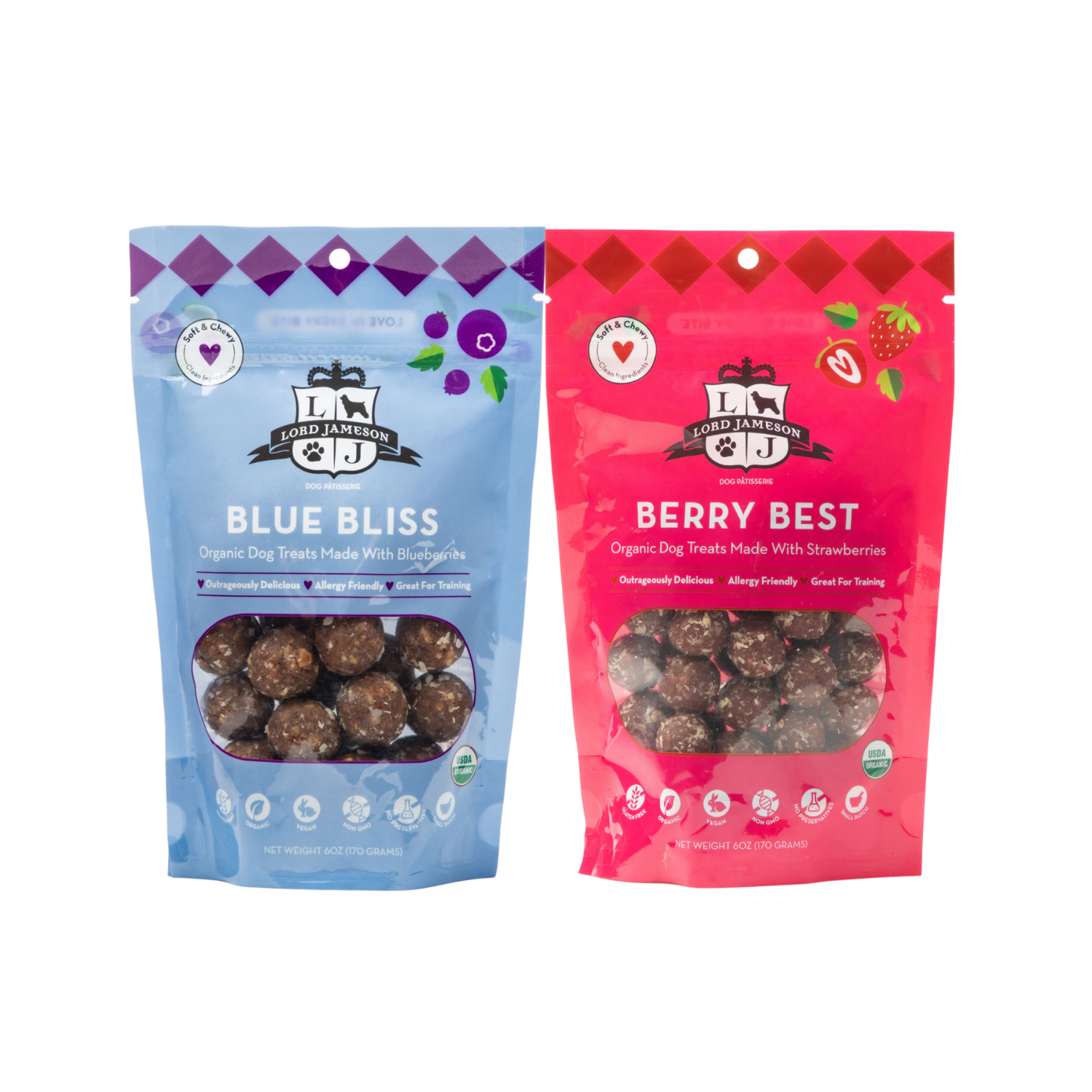
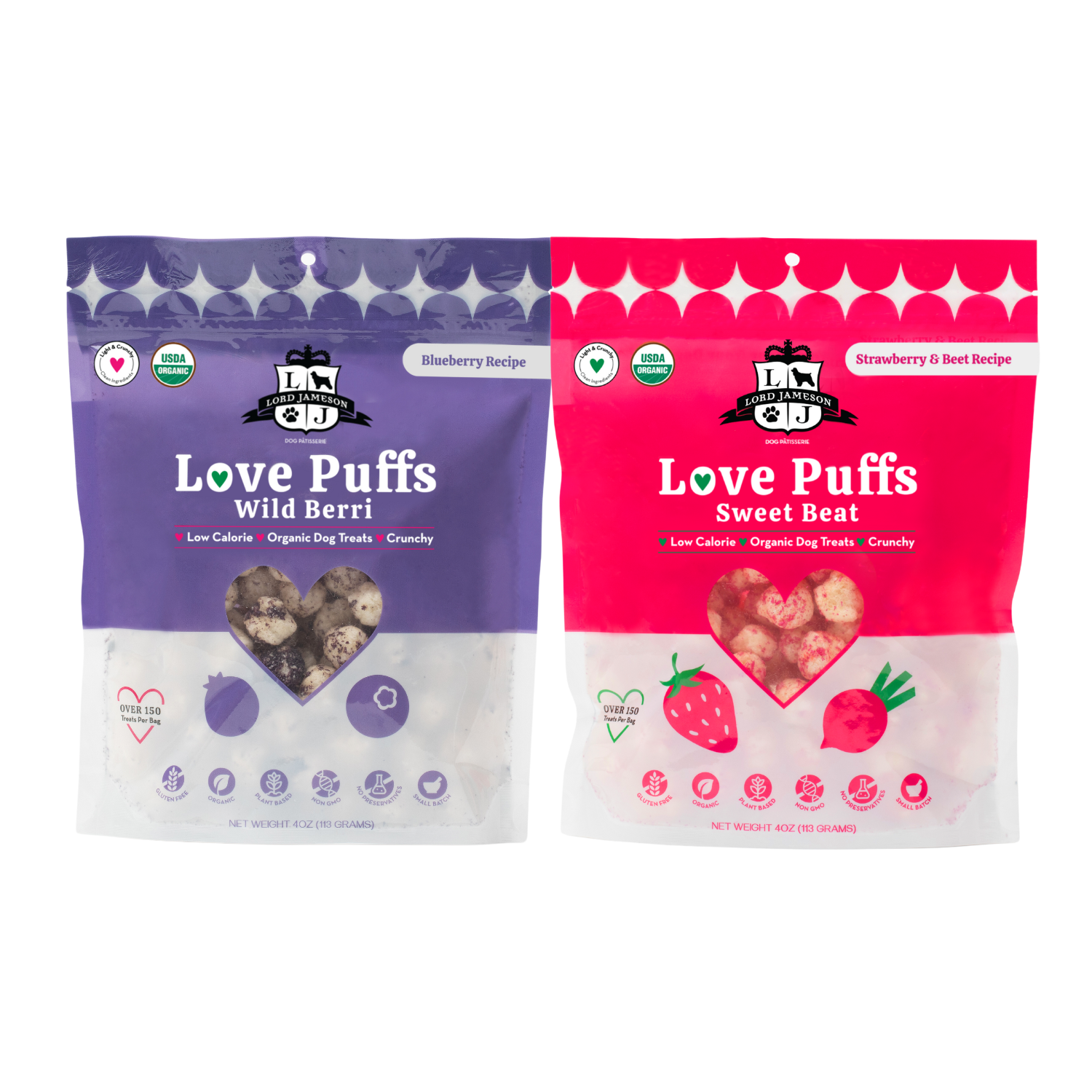
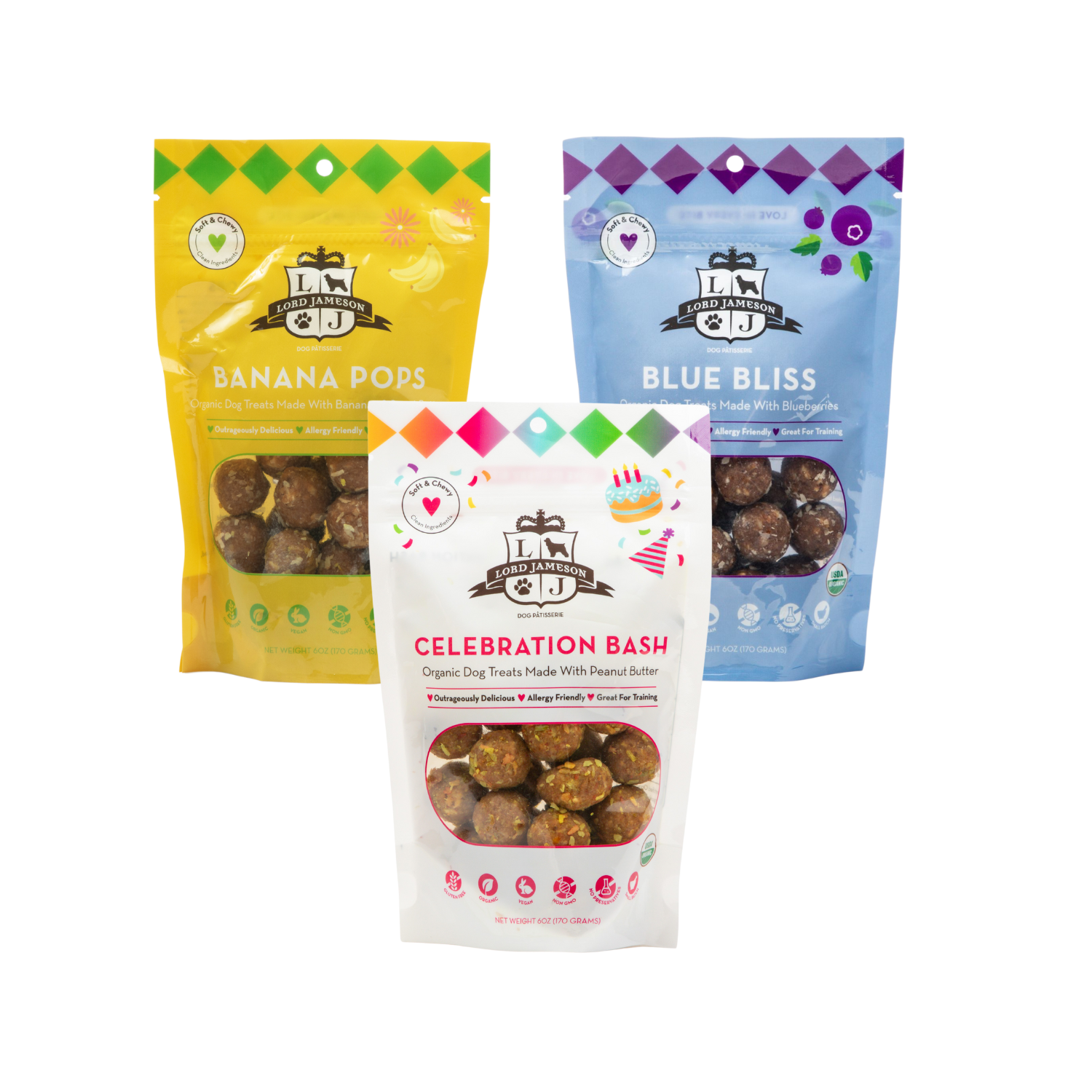
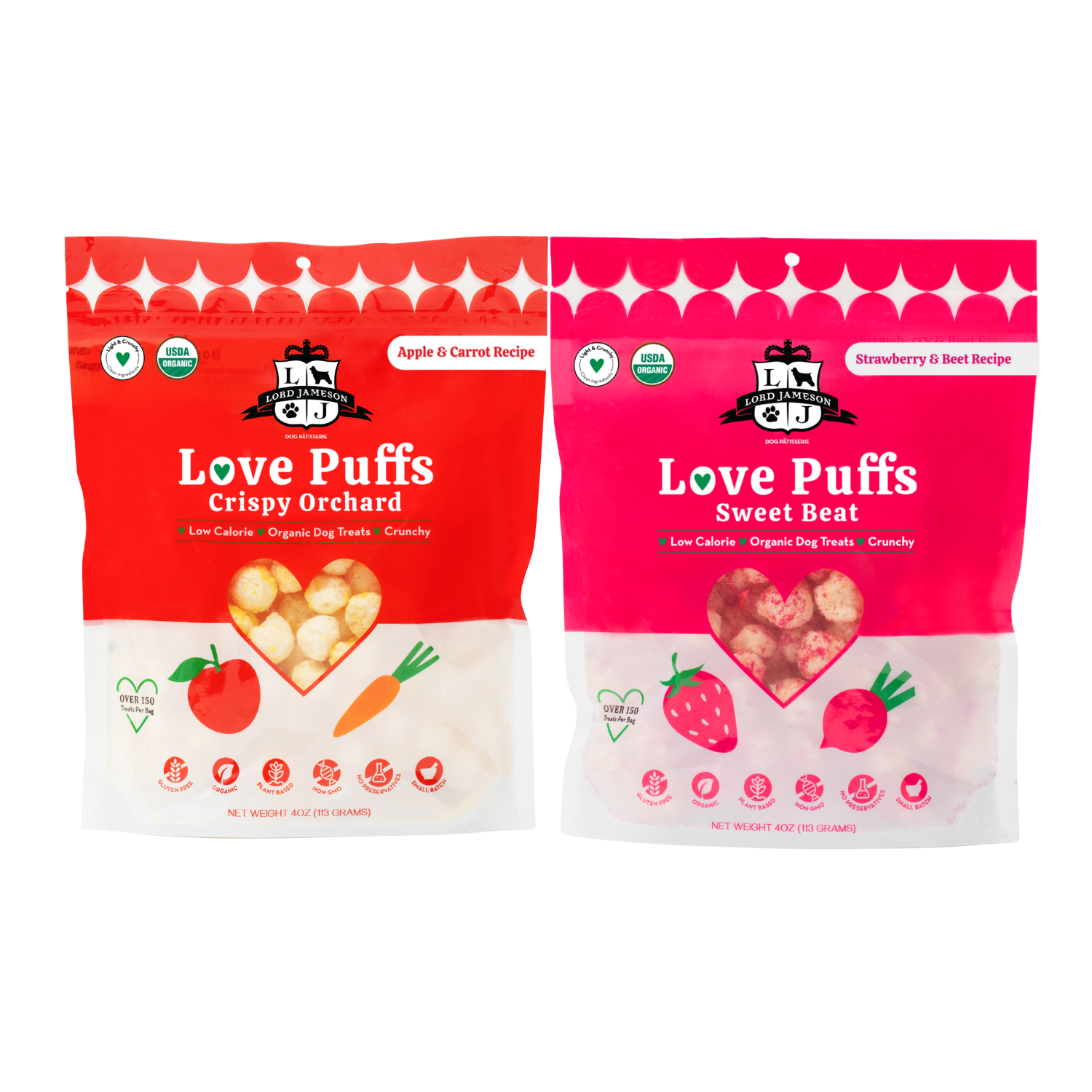
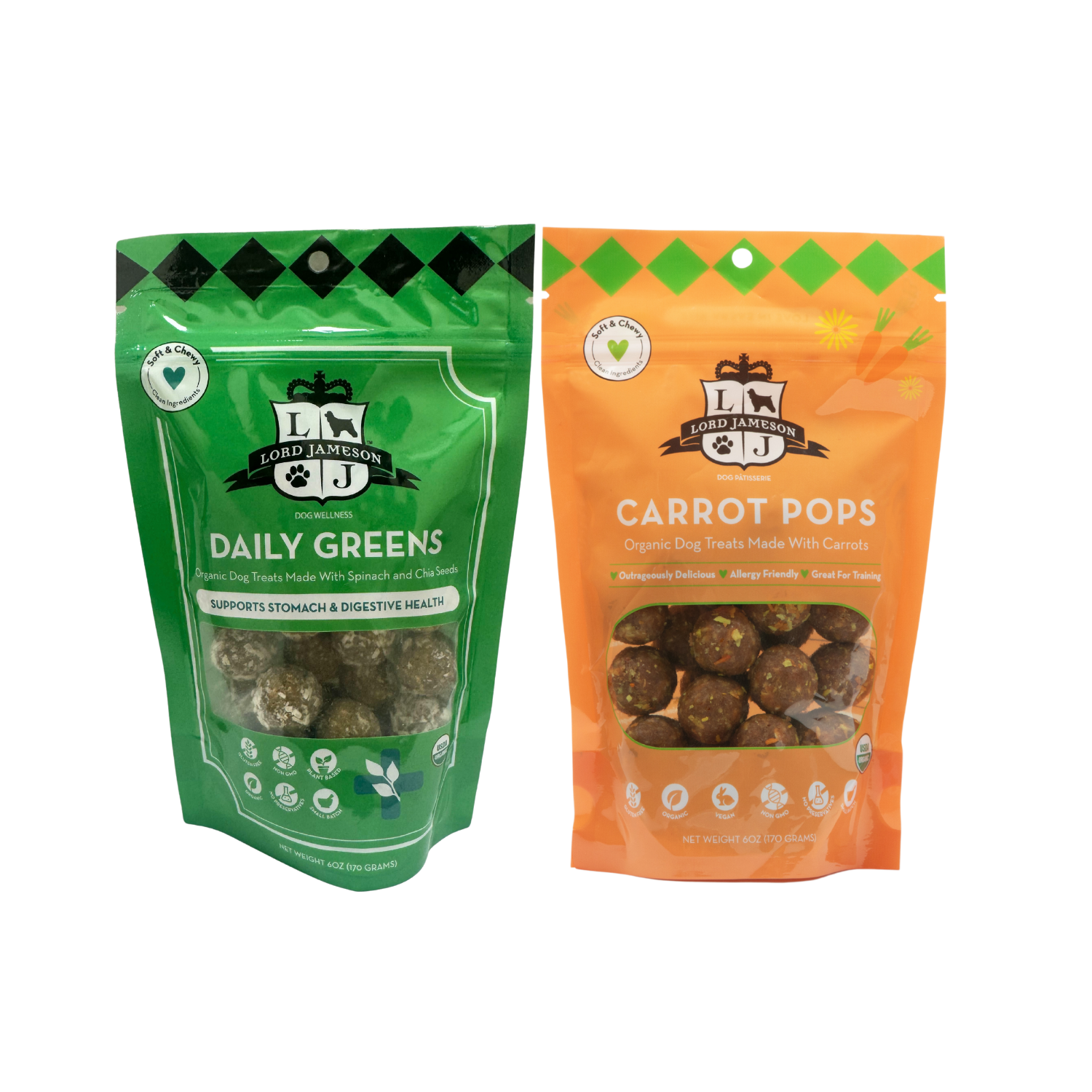
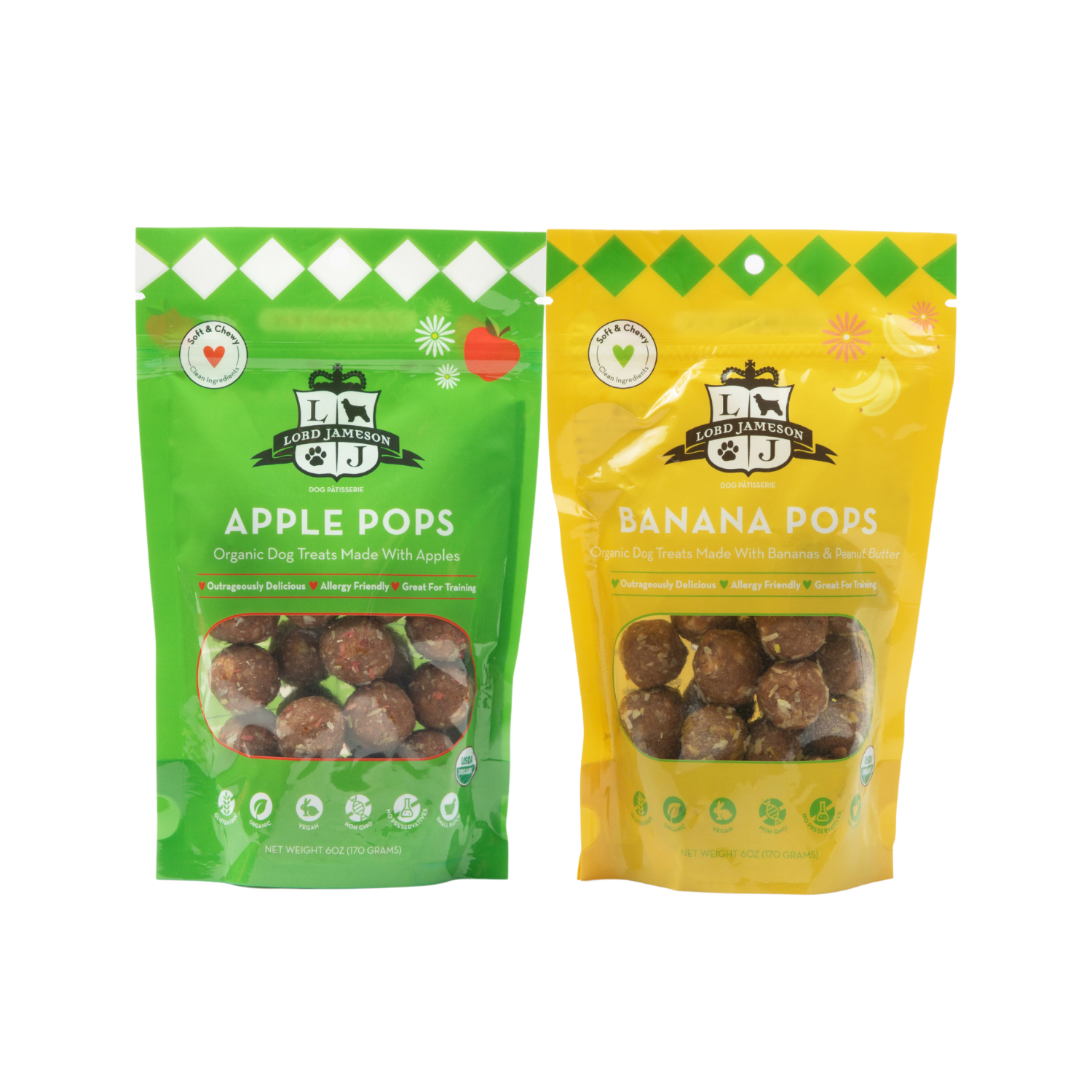
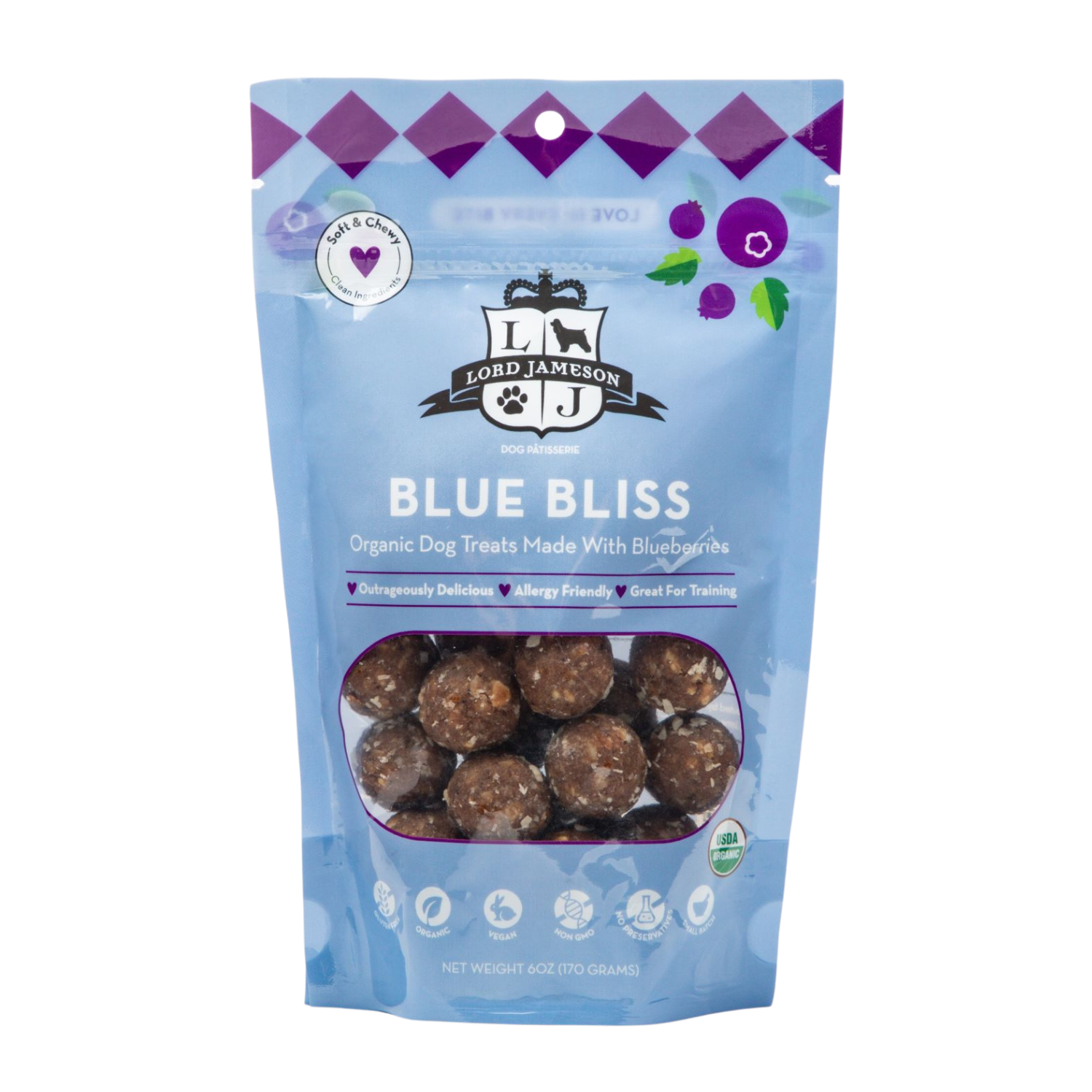
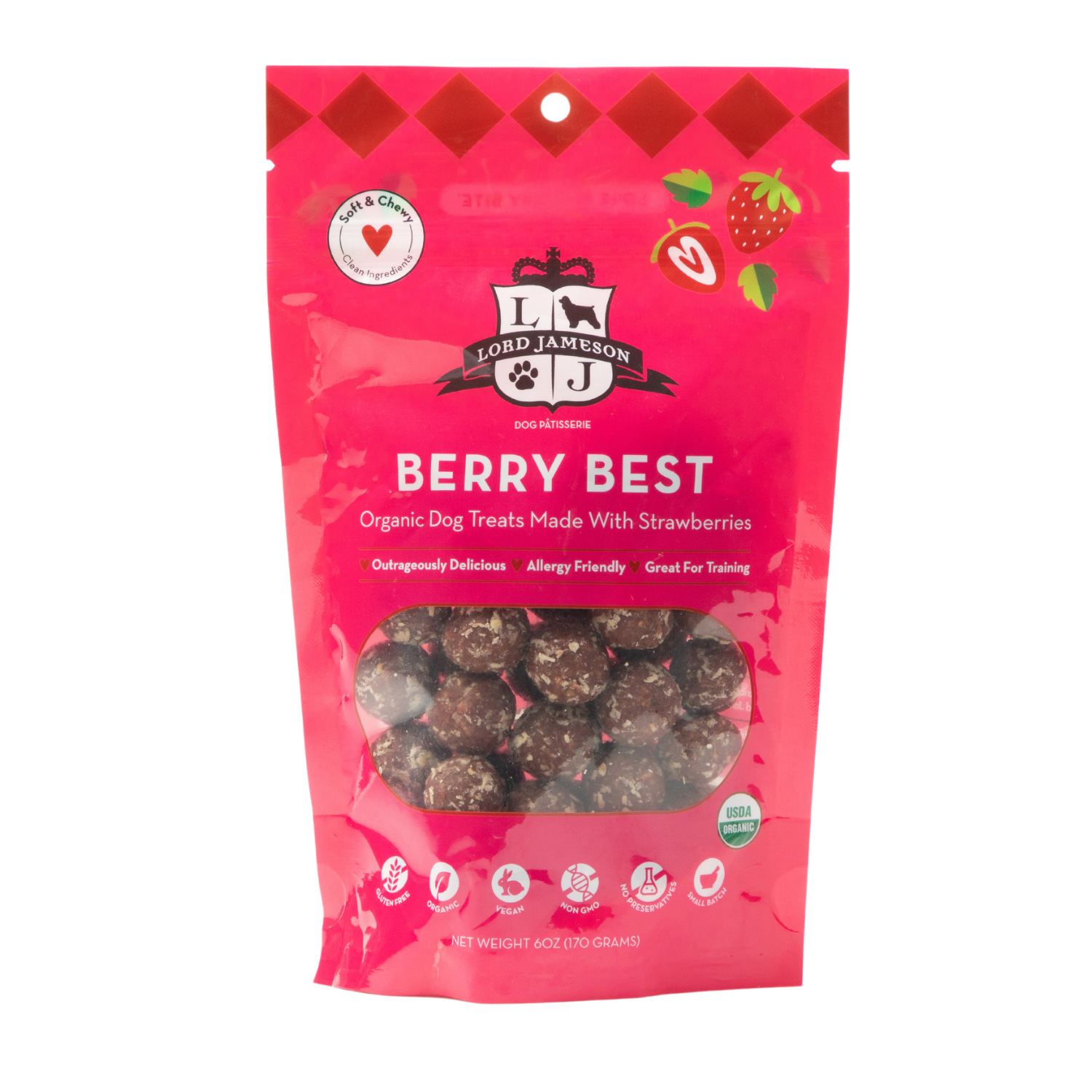
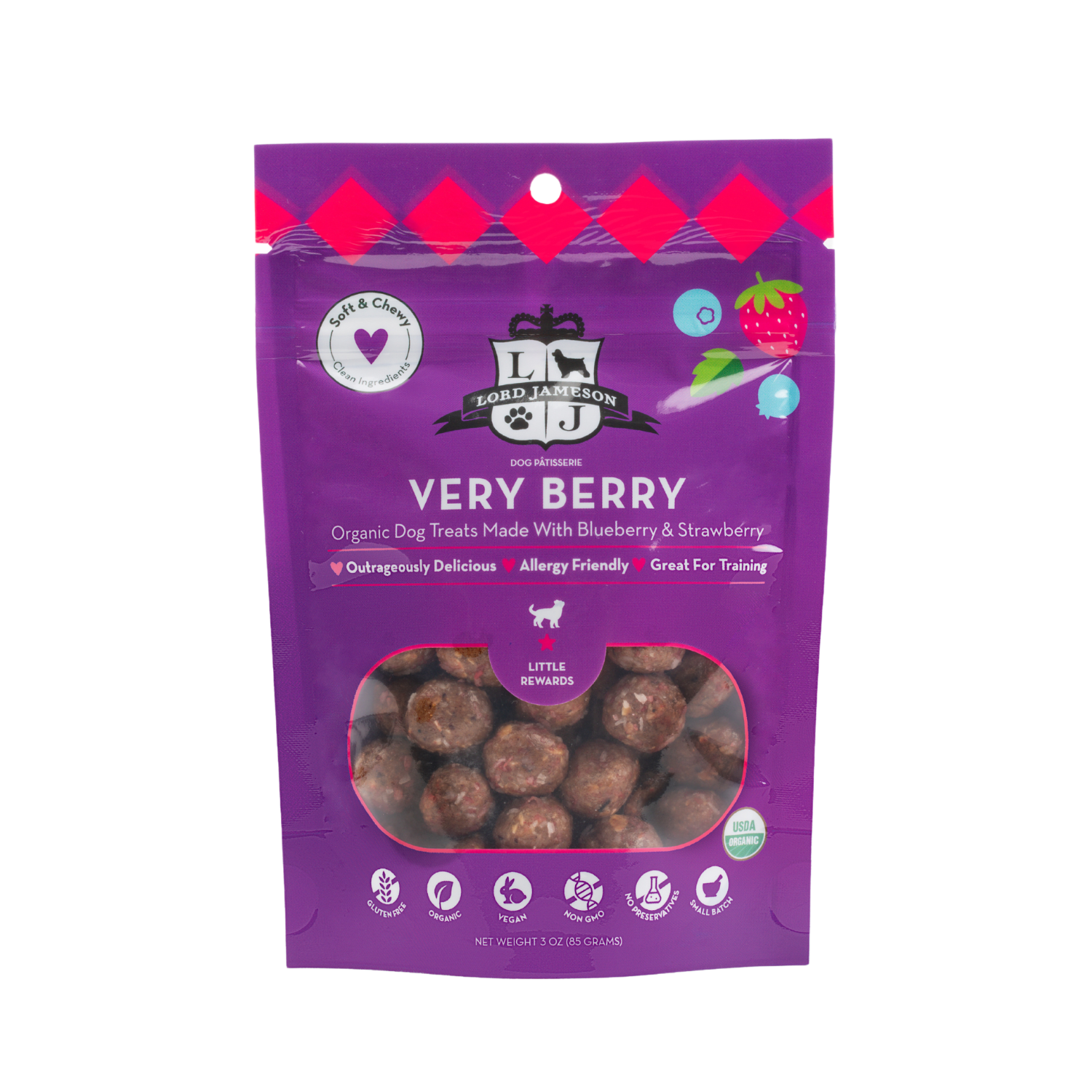
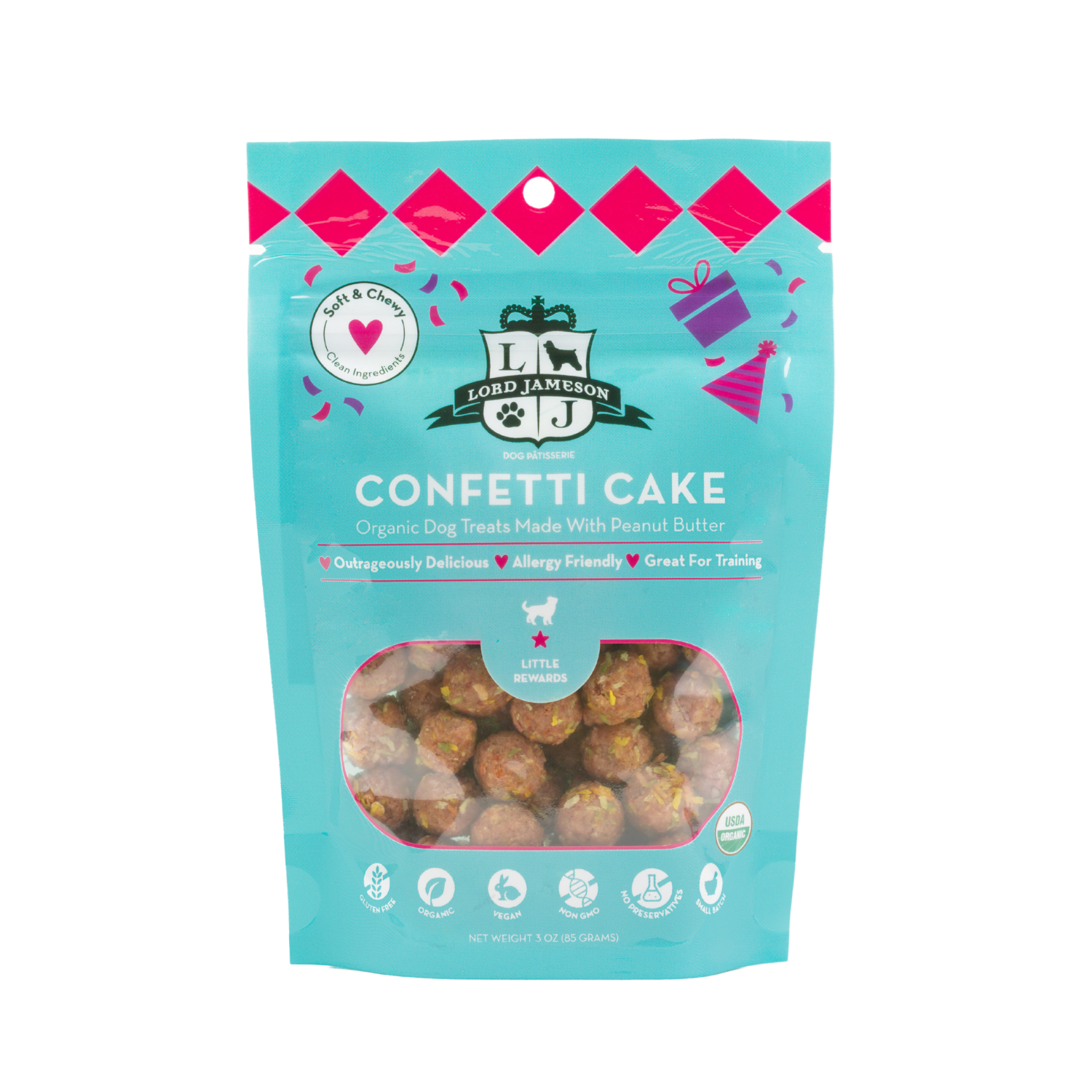
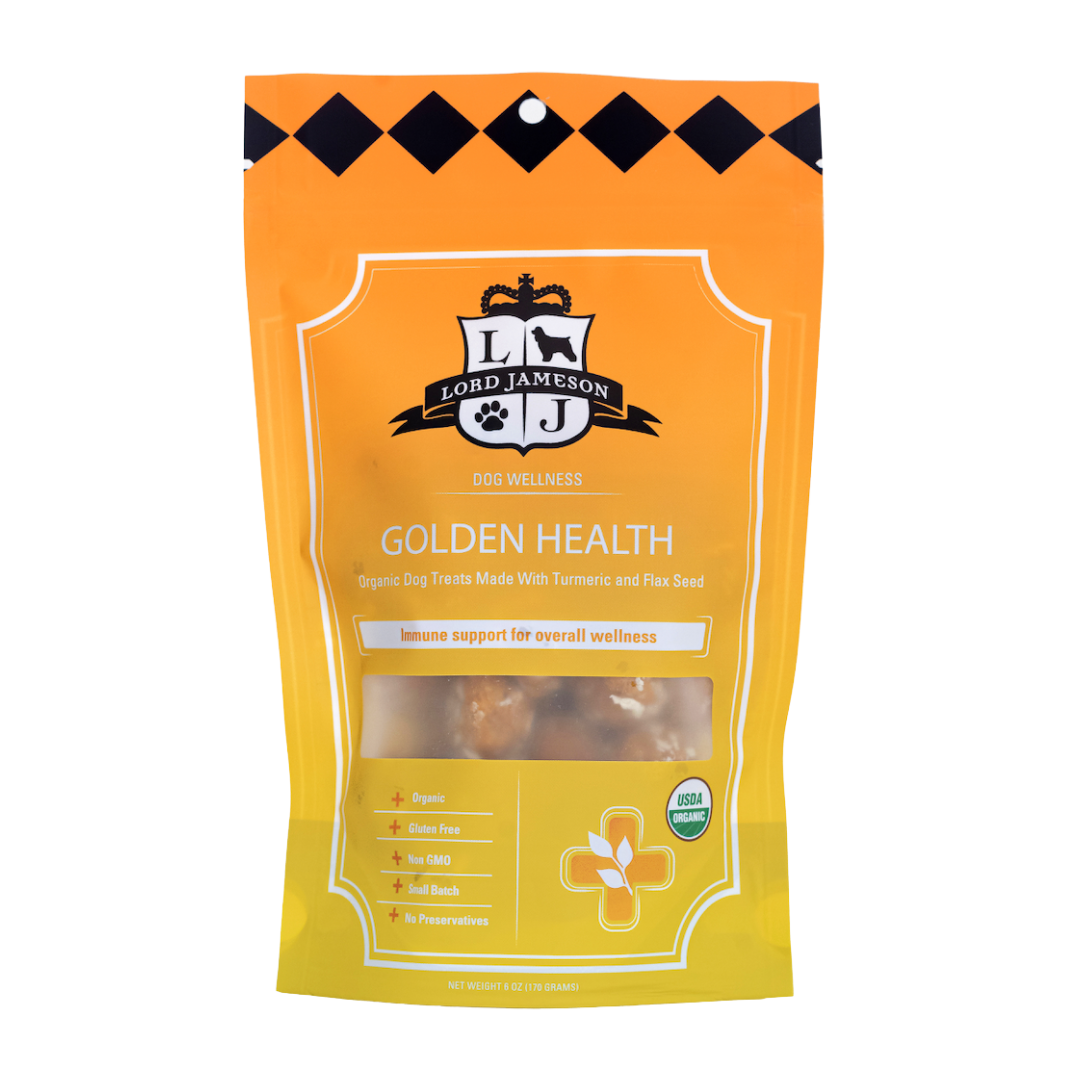
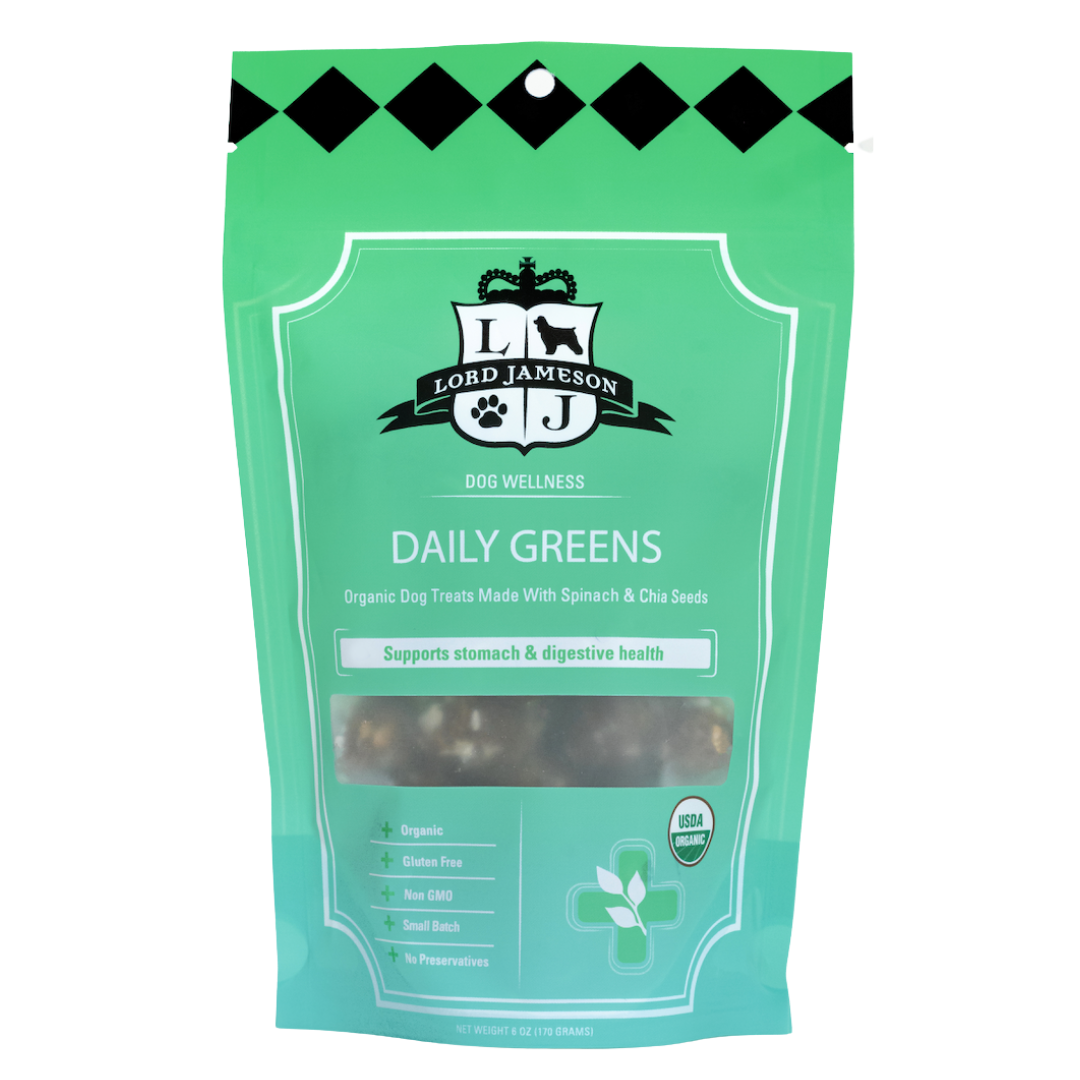
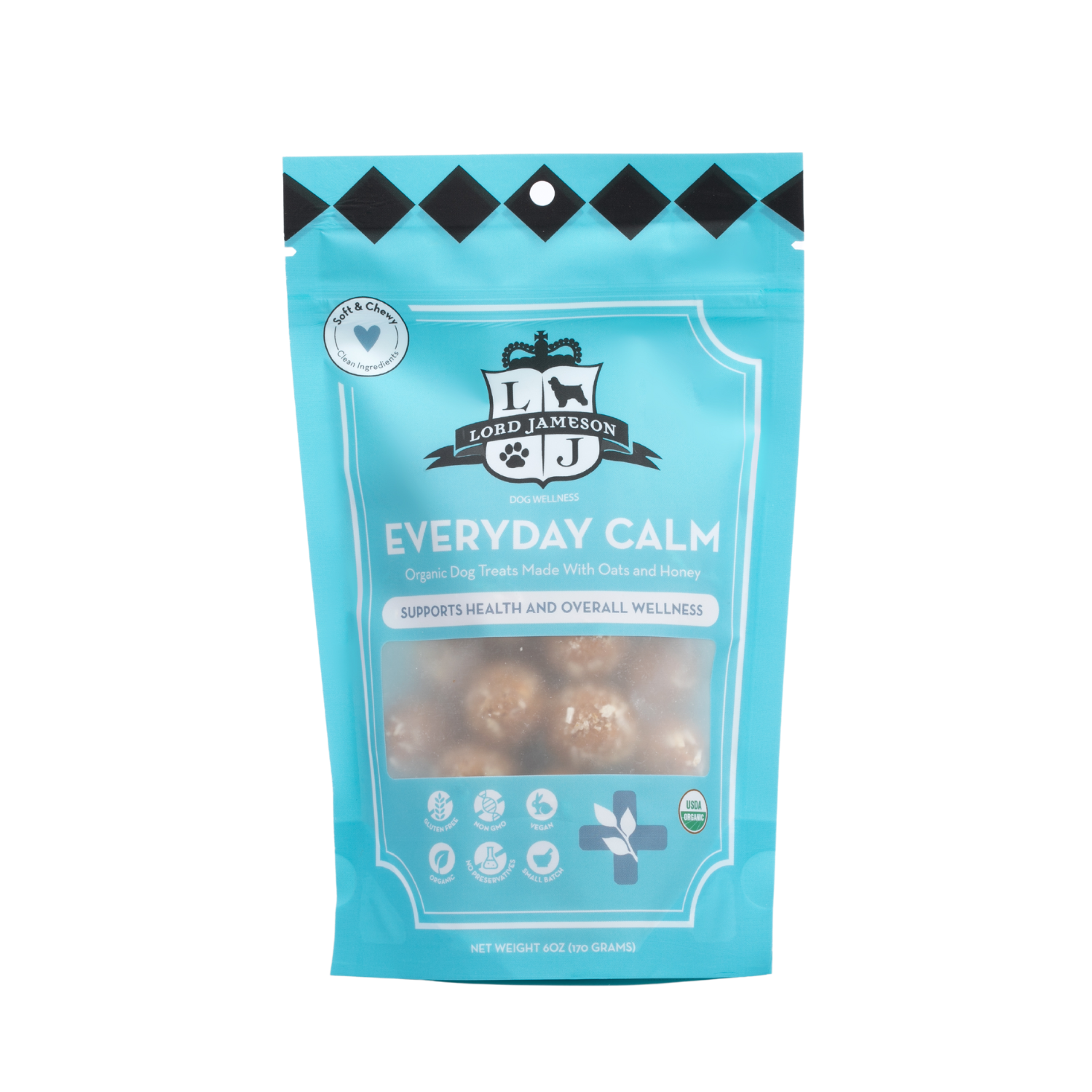
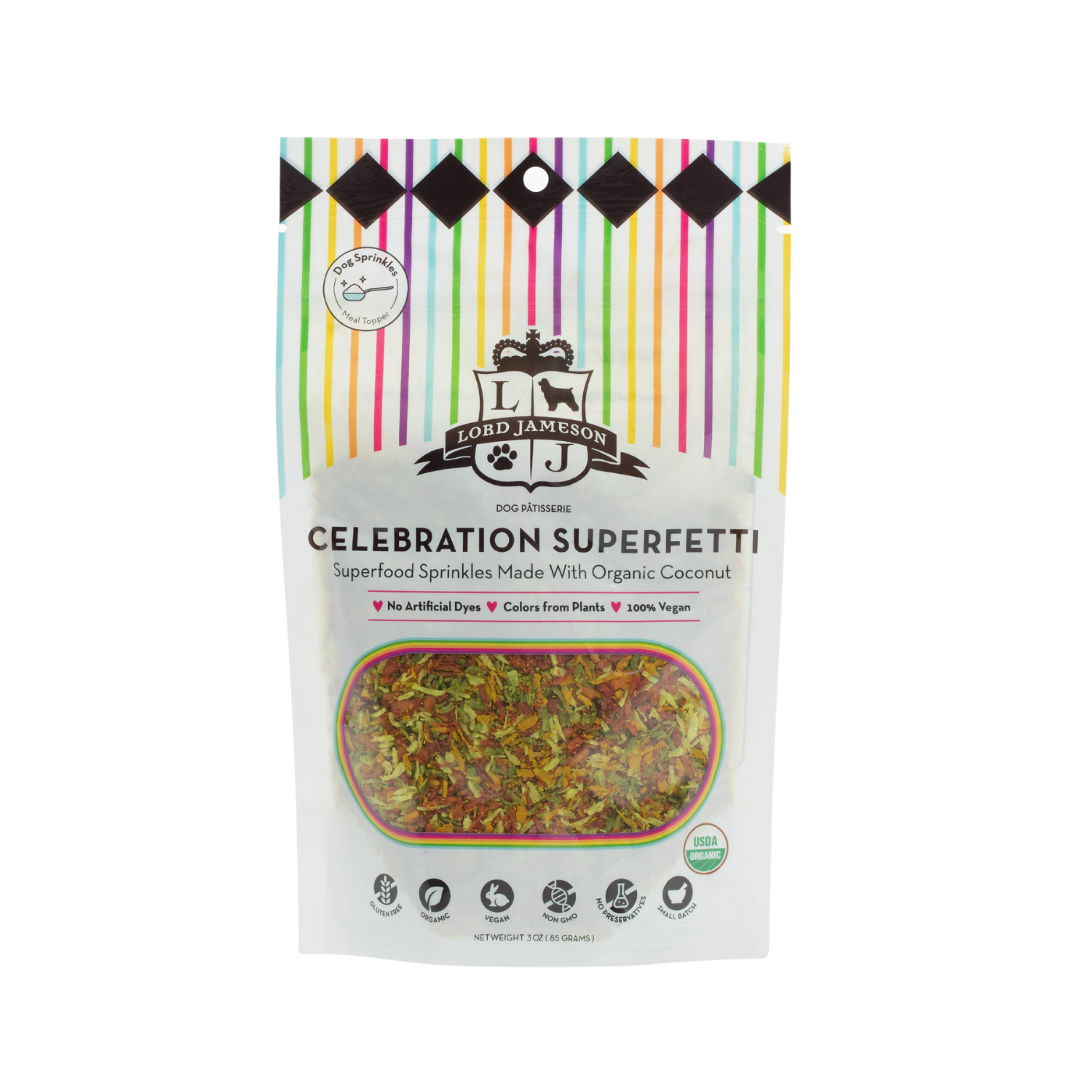
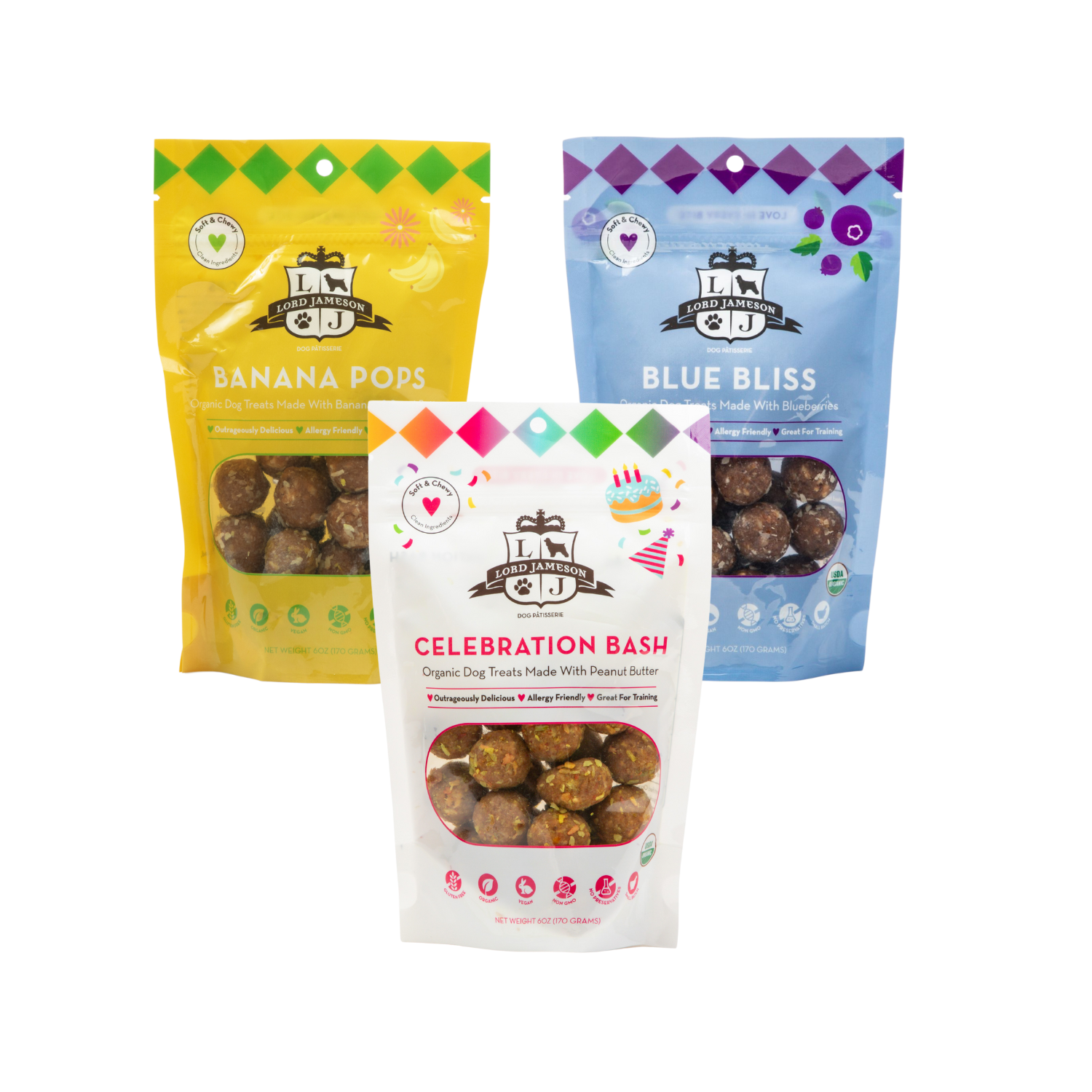
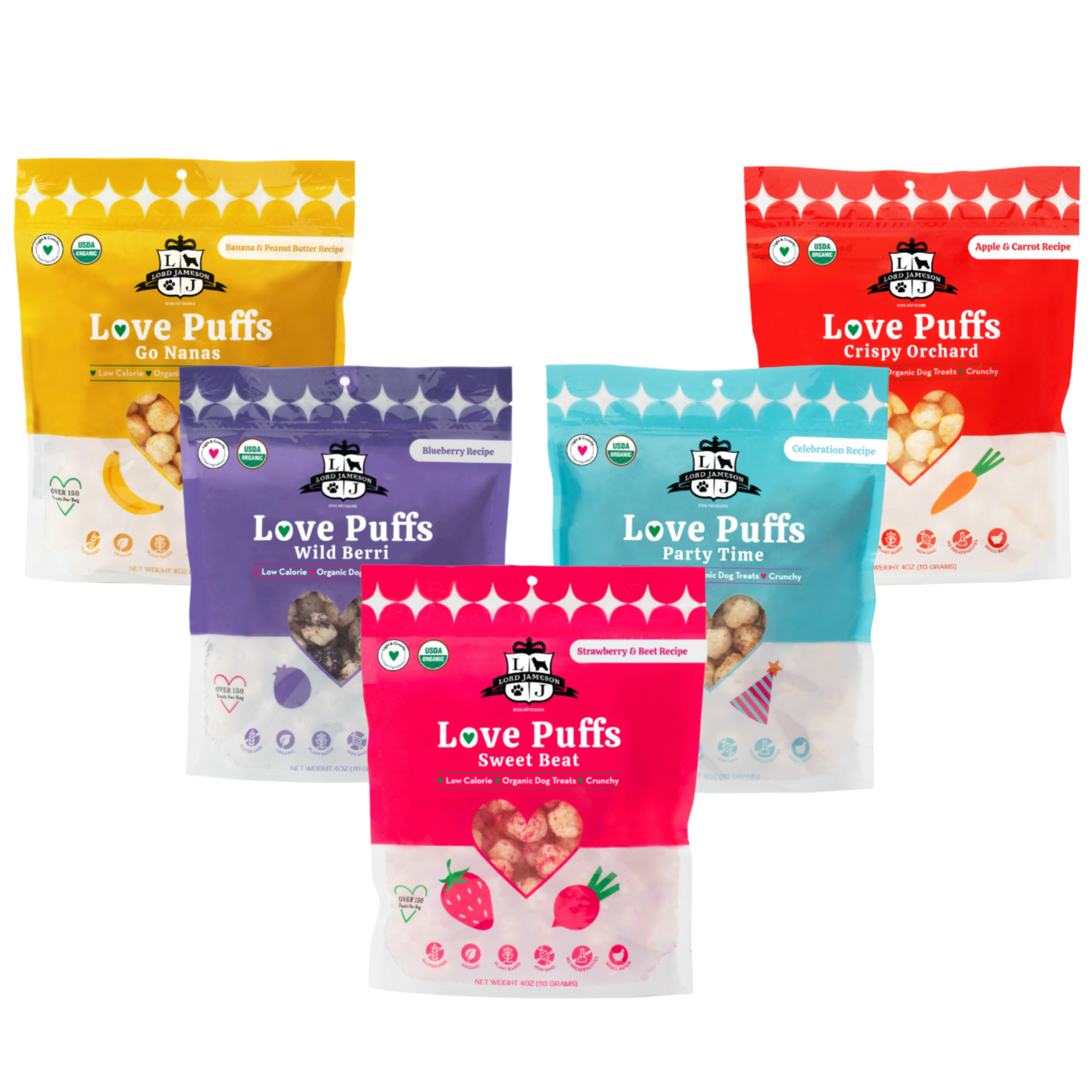
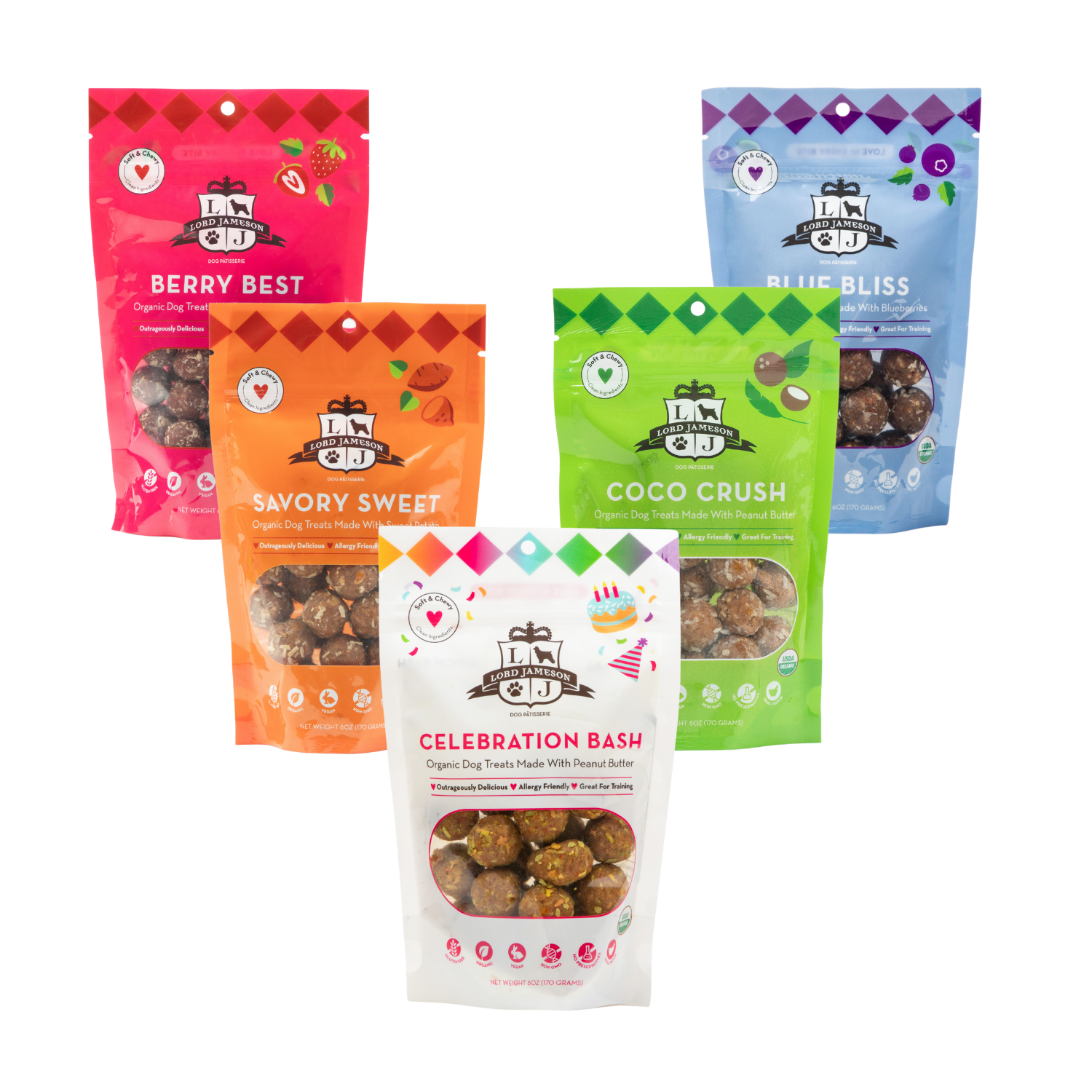
At Lord Jameson, we prioritise your pup’s health and overall wellness. For that, we concoct absolutely delicious and healthy organic treats that can be used as meal toppers as well as soft and crunchy ball-treats that help with dental health and easy digestion.
Check out our Wellness Collection Here!
They are Stressed or Anxious
Dogs can get anxious just like people, so it is important to recognize any changes in behavior that may be signs of stress and intervene before they escalate.
Early recognition is key to helping your dog overcome an anxious episode, allowing them to live a happy and healthy life. Check for common signs such as excessive barking, pacing, loss of appetite or poor grooming habits - these may all be indicators of an underlying issue.
If you suspect that your dog is eating their treats, but not their food due to anxiety or stress, then contact your veterinarian about measures you can take. Figuring out what is stressing them out is essential!
They Don't Like Their Food
If your dog is eating treats but not their food, the problem could be as simple as they just don't enjoy the flavor!
It's important for pet owners to pay close attention to their dog's eating habits so they can determine if any changes need to be made to ensure your pup is getting the nutrition they need. Try switching up the brand or the flavor and see if that improves their eating habit.
Behavioral and Emotional Problems
Dogs who don't receive proper socialization or have had traumatic experiences in the past may become anxious and refuse to eat.
Furry friends with behavioral issues often require extensive patience, commitment and dedication from their human parents in order to diagnose and treat the underlying issue. It's important to stay patient with your dog and find out exactly what the problem is if they're eating their treats but not their food. Consider consulting with their veterinarian when you notice a change in their eating.
With that, being gentle, kind and patient while spending quality time with them always makes a difference. You can take walks, have play-time, socialize with other pet-friendly people or friendly pups and share their favorite delicious and healthy treats. Slowly, you’ll notice the difference as they look forward to their meal-time as well.

How Can I Help My Dog Start Eating Again?
When your pet suddenly loses interest in food, it can be worrying, but there are gentle, practical steps you can take to encourage their appetite.
Try Introducing New Food Slowly
Our pets get bored with flavors just like we do. Offering a new protein, a different texture, or gently mixing in cooked veggies or lean meats can spark their interest again.
If you decide to switch foods, introduce the new option gradually by blending it with their current food. This helps their stomach adjust and reduces the chances of tummy upsets like vomiting or diarrhea. Slow and steady wins the race here.
Balance Treat Time
We all love spoiling our pups, those happy tail wags make it irresistible. But too many treats can make regular meals seem… well, boring.
If your dog is skipping dinner but happily taking treats, try balancing the amount of treat portions for a few days. This helps reset their appetite and reminds them that mealtime matters, too. You can also try meal toppers to make meal-time better!
Create a Predictable Routine
Dogs thrive on consistency. Feeding your pup at the same time every day helps their internal clock understand when it’s time to eat.
Also, avoid switching foods repeatedly in a short period. Stick to a routine so your dog knows what to expect; it builds trust and supports healthier eating habits.
Take It One Day at a Time
It’s natural to want your dog to bounce back quickly, but forcing big meals or rushing the process can add stress. Offer small amounts, praise them for interest, and stay patient. Little wins often lead to bigger improvements, and before long, mealtime becomes positive again.

Will My Pet Starve Itself If It Doesn’t Like Its Food?
That’s a tough thought, isn’t it…
Some dogs will refuse to eat food they dislike, especially picky pups, seniors, or dogs recovering from illness. But most healthy dogs won’t allow themselves to reach a dangerous point.
As pet parents, the best thing we can do is make sure the food we offer is nutritious, appealing, and safe for their specific needs. With a bit of observation and a willingness to adjust, you can help your dog feel excited about mealtime again.
It is important to keep the veterinarian informed if you face a situation where your pet won’t eat.
Conclusion of Why Will My Dog Eat Treats But Not Food
Overall, there are tons of possibilities as to why your dog is eating their treats but not their food. Dogs are complex, adorable creatures, and it can sometimes be hard to figure out why they behave the way they do!
The allure of tasty snacks results in them wanting those more than their regular feed food, so it's up to owners to ensure they're being sufficiently disciplined with meal times and types of foods they give.
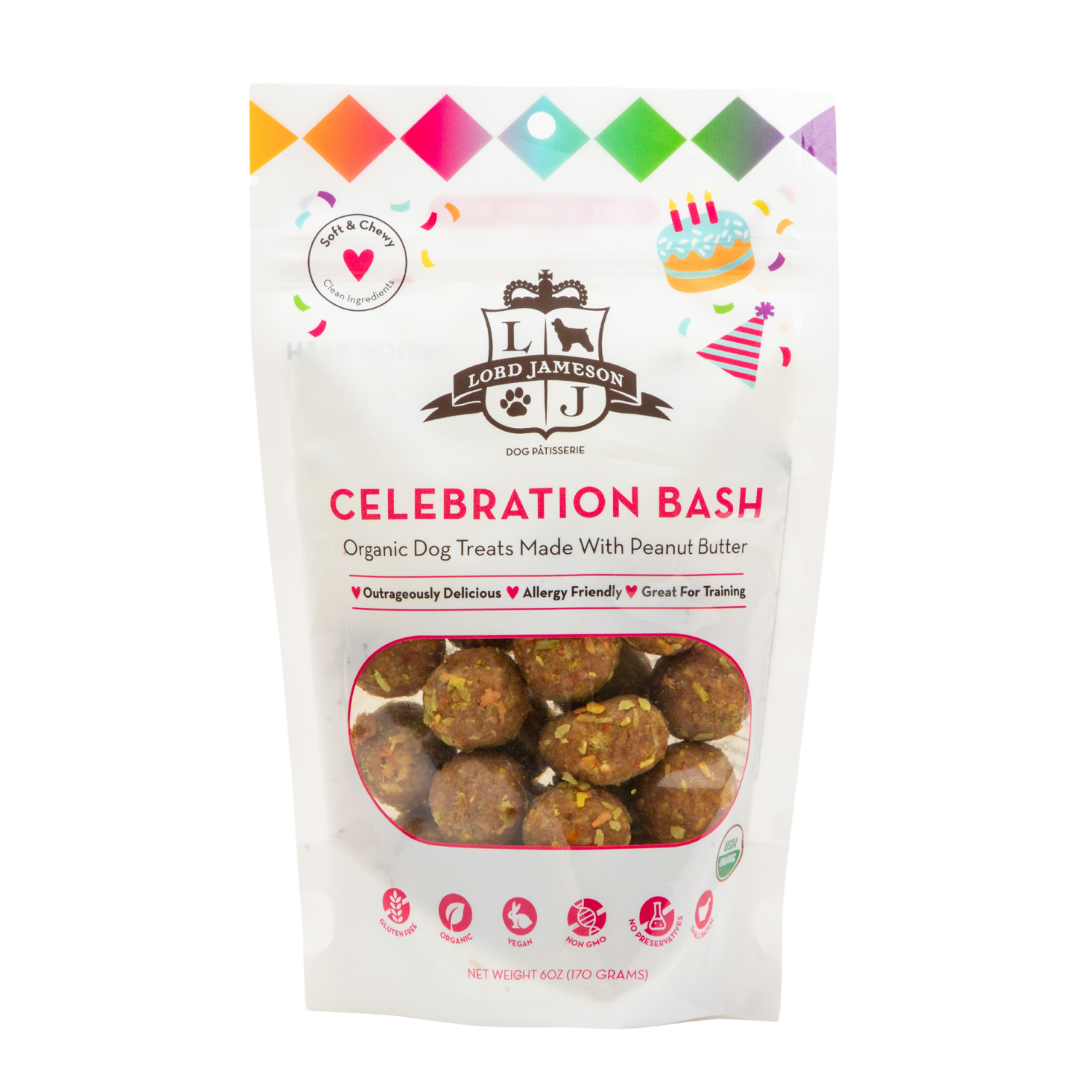
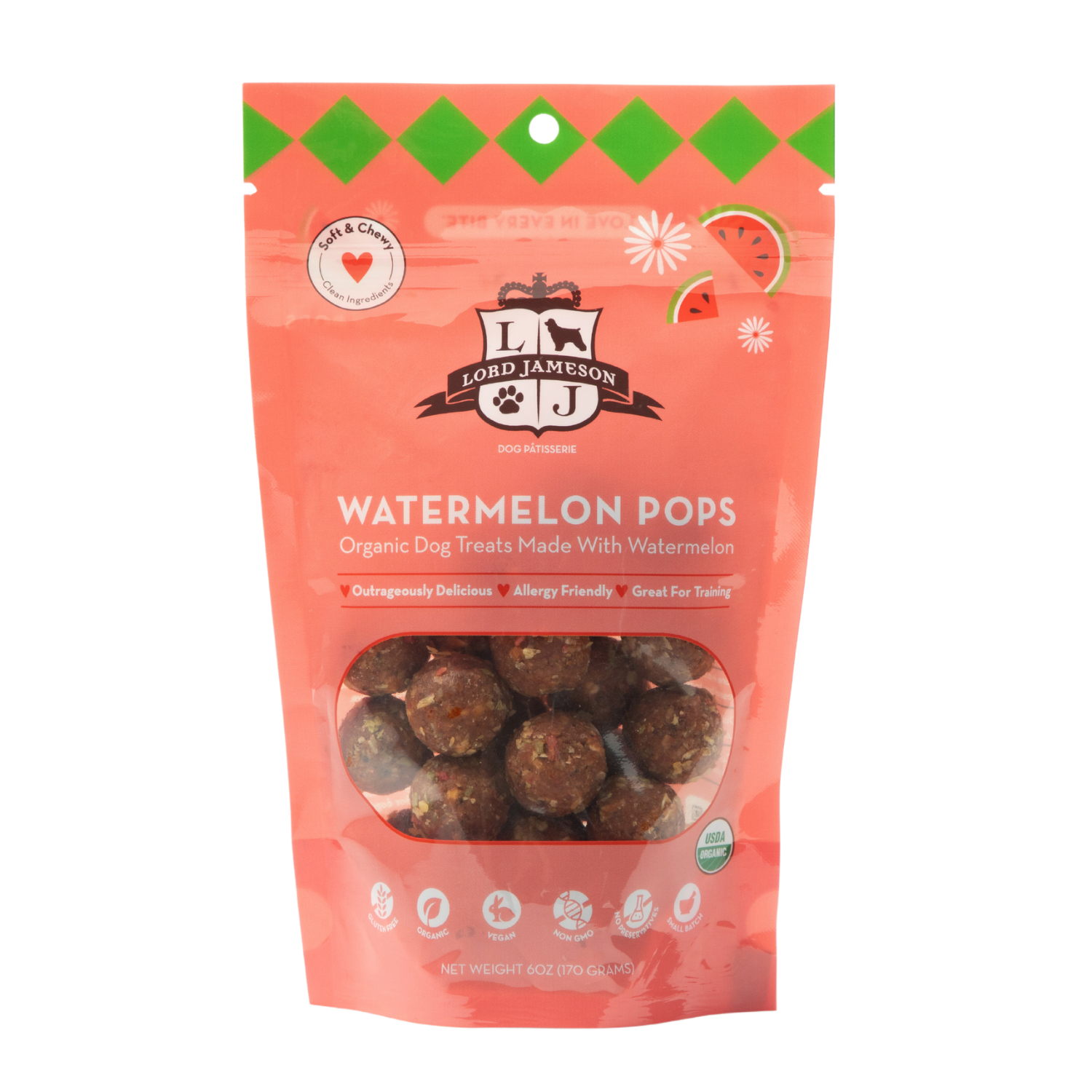
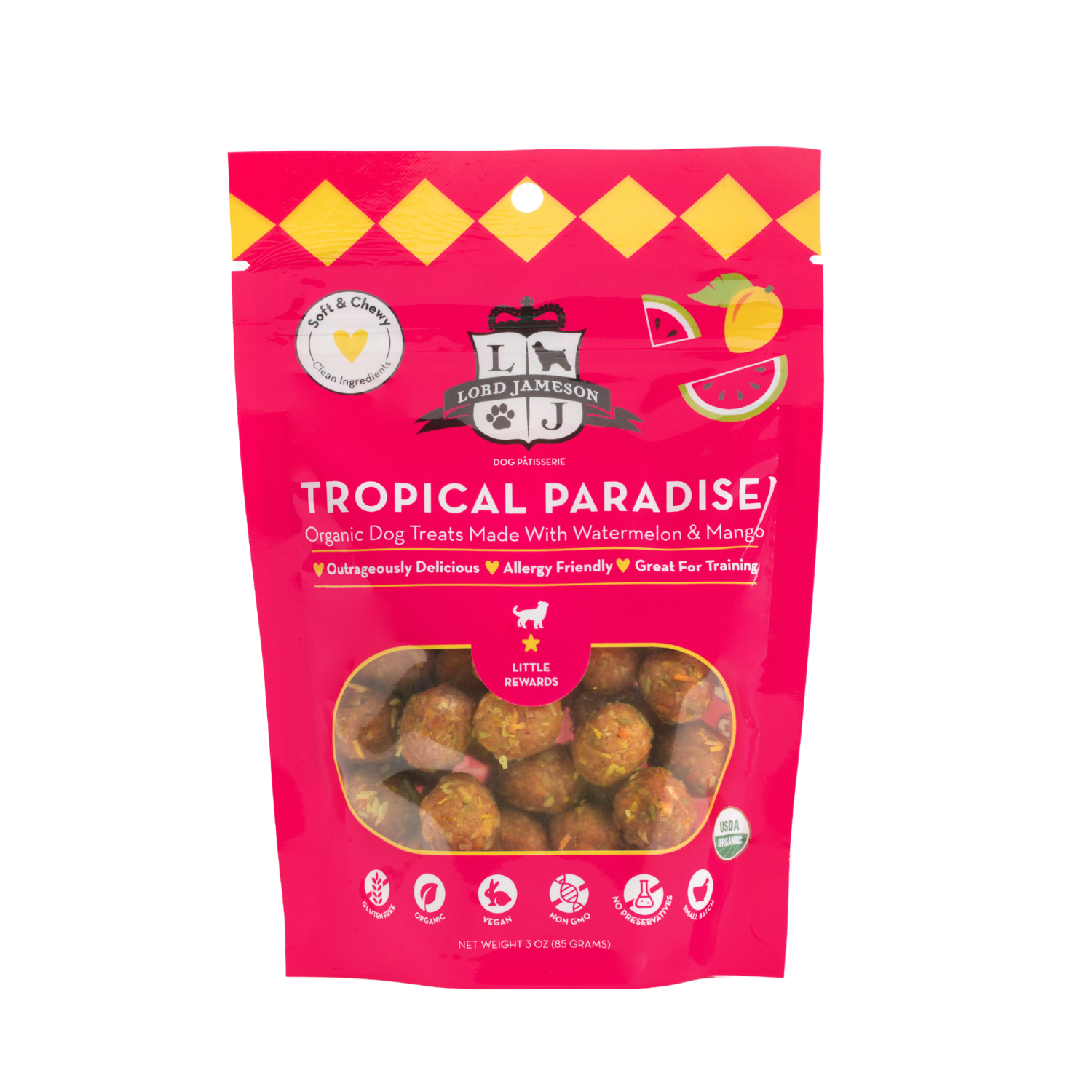
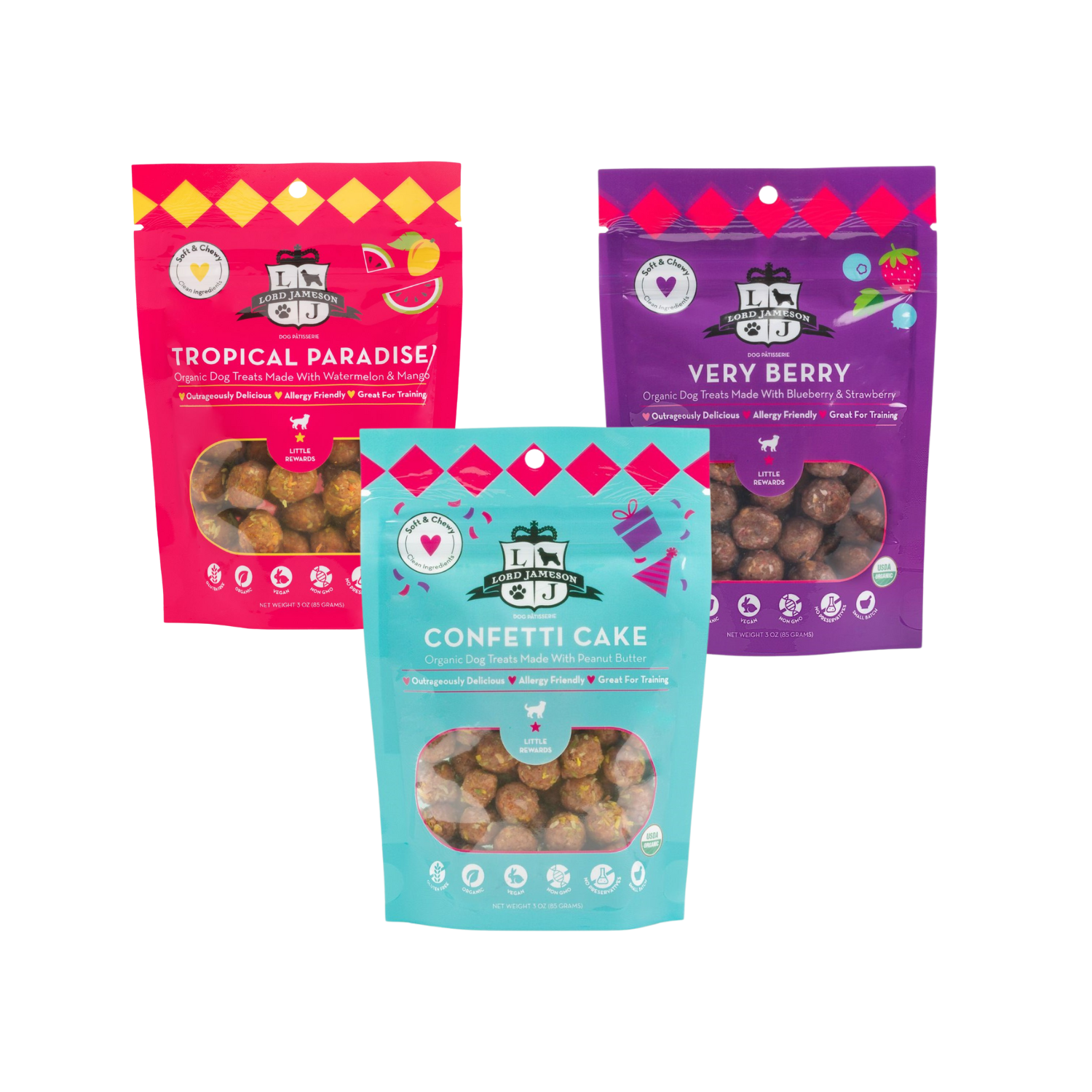
Here at Lord Jameson, we offer high-quality organic dog treats. We've worked hard to formulate a tasty, healthy treat that's suitable for dogs of all breeds and ages that can also be used as meal toppers for when they want to be all grumpy about their meal. Shop our organic treats for dogs by visiting our website!
Thank you so much for reading our blog and best of luck with your adorable pup! We hope you can get your dog to eat!
FAQs
Why does my dog happily eat treats but ignore their regular food?
Treats are usually richer in flavor and aroma, making them far more exciting than everyday meals. If your dog is consistently choosing treats over food, they may simply be holding out for the “tastier” option, or they might be bored with their current diet.
Is my dog being picky, or could something be wrong?
Sometimes it’s just pickiness, but a sudden loss of appetite can signal dental issues, stomach upset, stress, or an underlying health problem. If your dog refuses food for more than 24 to 48 hours, your vet should take a look.
Am I giving too many treats without realizing it?
It happens to all of us! Treats during training, for being cute, or for every little moment add up quickly. Too many treats can fill your dog up or make them prefer the higher reward over their regular meal.
Can treat-heavy diets cause long-term problems?
Yes, relying too much on treats can lead to nutrient imbalances, weight gain, digestive issues, and poor eating habits. Treats should ideally make up no more than 10% of your dog’s daily calories.
How do I get my dog interested in their food again?
Start by reducing treat portions, creating a consistent feeding routine, and making mealtime positive. Trying a new flavor, adjusting texture, or adding a vet-approved topper can also help. If your dog still refuses food, your veterinarian can guide you based on your dog’s health and habits.


